
Moving to a new city often feels like a leap of faith, and if you are eyeing up our famous port city, your first question is likely: is Southampton safe?
As a local who has spent years navigating everything from the morning rush on Above Bar Street to sunset strolls along the Old Town walls, I have seen the city through every lens. Whether you are a student heading to the University of Southampton, a professional looking at a flat in Ocean Village, or a family scouting out Upper Shirley, the vibe can shift from one street to the next.
In this guide, I strip away the jargon to give you the honest, boots-on-the-ground truth about what it is actually like to live and work here in 2026.
The Quick Answer: Is Southampton Safe?
Yes, Southampton is generally a safe place to live and visit. While crime rates are higher than the rural Hampshire average, as is typical for a city with busy nightlife and an international port, most residents go about their daily lives without issue. The city centre holds a Purple Flag award, which means it meets recognised standards for the night-time economy, including safety and management. Stick to well-lit main roads and use common sense in parks after dark, and you will find “Soton” to be a welcoming, vibrant home.
Crime Rate Checker
Want to check your own street? Enter a Southampton postcode below to see reported incidents in the surrounding area.
The “Safe” Version of Southampton I Experience Day to Day
On a normal weekday, Southampton feels like a practical, lived-in city. Commuters move around Southampton Central, shoppers flow along Above Bar Street, and students travel between Highfield and town.
Where it feels calm and predictable
When I am walking through The Common in daylight, it feels like a classic city park: runners, dog walkers, families, and open sightlines. Bassett and the greener edges toward Highfield often feel similarly steady for daytime routines such as school runs, gyms, and local errands.
Where you notice city-centre variables
The mood changes around the retail and night-time core. Think the Bargate area, parts of West Quay, and the routes that funnel people between bars, late food spots, taxis, and buses. That does not mean unsafe by default. It means you are more likely to see drunkenness, arguments, and opportunistic theft when the streets are busiest.
What the Local Data Actually Suggests (Without Overclaiming)
Two things can be true at once.
- Police-recorded crime in Southampton fell in 2024/25 compared with the previous year.
- Residents still report reduced confidence at night, especially in the city centre, and a significant share report being victims of crime or anti-social behaviour.
From Southampton City Council’s community safety survey, most respondents reported feeling safer in the day than after dark, with the city centre after dark standing out as the lowest-confidence scenario.
It is also worth knowing that Bargate (city centre) repeatedly appears as a higher-rate ward per resident population, which aligns with what you would expect in the busiest shopping and nightlife zone.
Is Southampton a Safe Place to Live?
If your query is is southampton a safe place to live, the honest local answer is that it depends far more on micro-location and lifestyle than on a postcode label.
For families and quieter routines
Many people prioritise the following.
- Green access (The Common, Riverside Park)
- Residential streets set back from main roads
- Predictable evenings with less spillover from nightlife and late transport routes
For students and young professionals
If you are renting close to the centre, or on fast routes into it, it helps to think about the following.
- Building security (entry systems, lighting, bike storage)
- Your walk-home route, not only the distance
- Weekend noise and late-night footfall, which affects how safe a street feels
Neighbourhood Vibes: What Feels Safe Can Differ Street by Street
Cultural Quarter (Guildhall and the Above Bar end)
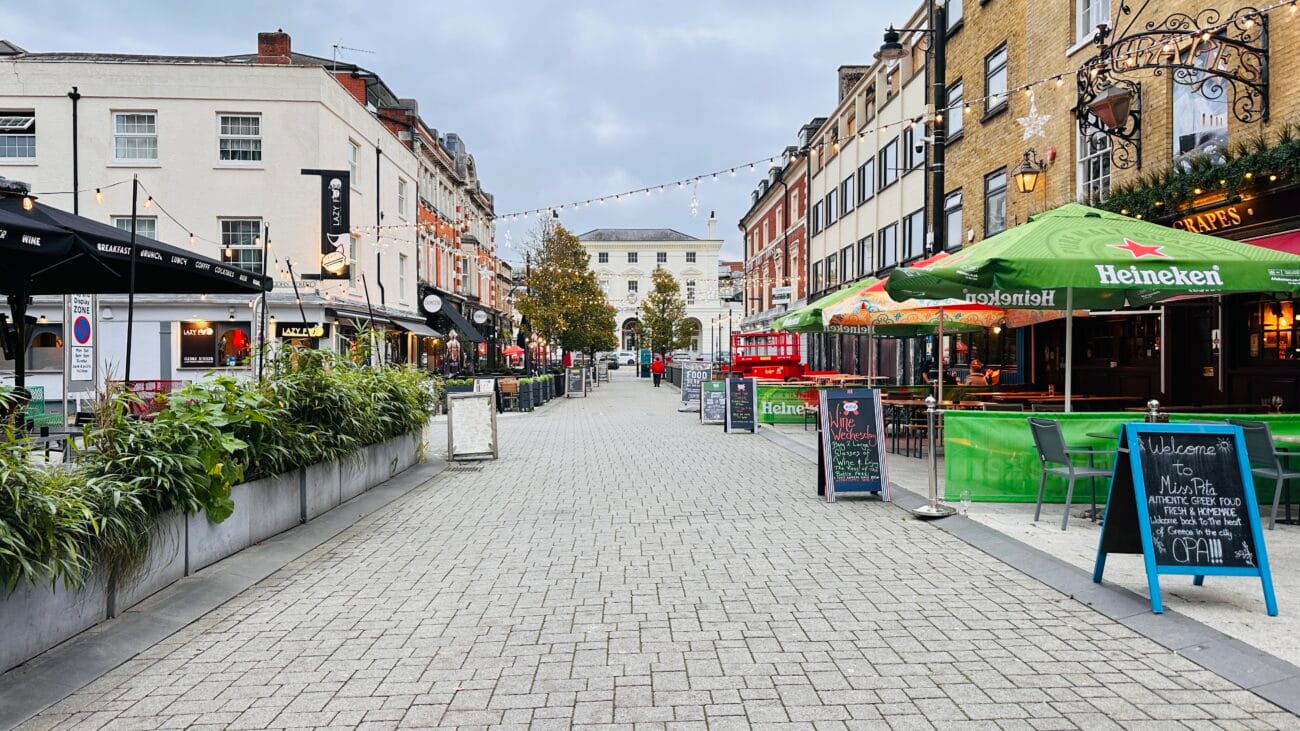
Busy, bright, and event-led. On show nights it is lively. Later at night it becomes more about managing crowds and being intentional with your route.

Oxford Street (restaurants and late nights)
A strong evening strip, but still a nightlife corridor. My rule is to stick to well-lit streets, avoid drifting into empty cut-throughs, and plan your taxi or pick-up point before you are tired.
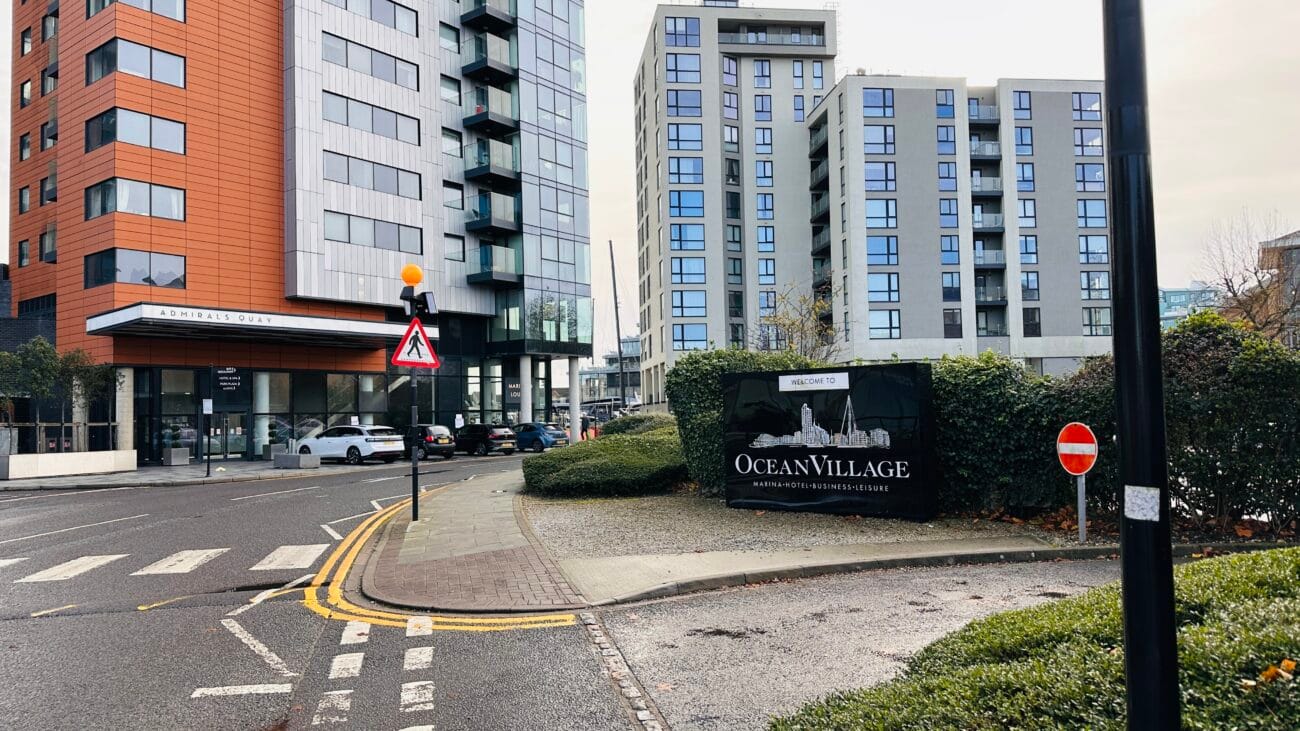
Ocean Village (marina calm, but do not switch off)
Ocean Village often feels neater, with wider pavements and less chaos, but it is not magically crime-free. Marina-adjacent areas can attract opportunistic theft if people leave bags or phones visible in cars or on outdoor tables.
Practical Local Safety Tips I Would Actually Give a Friend
Walking at night: make the city work for you
- Choose lit, busier routes even if they add a few minutes.
- Avoid empty shortcuts between big roads late at night. Quiet is not always calming.
- If you are unsure, walk the route in daylight first so you are not navigating on the fly.
Bikes and e-scooters: treat them like magnets
- Use two locks if possible, ideally different types.
- Lock through the frame, not only a wheel.
- Avoid leaving a bike in the same public spot every night. Routine is predictable.
Nights out: reduce the avoidable risks
- Keep phones out of back pockets and bags zipped in crowds.
- Decide your “home base” (friend’s flat, taxi rank, late bus stop) before you move venues.
- If someone in your group is unsteady, leave early. Many bad situations start with fatigue plus alcohol.
Local Secret: Build Your “Confidence Corridor”
Before you commit to a walk home, identify two routes you can rely on: a well-lit main road and a quieter parallel option that still has lighting and passive footfall. I do this around Above Bar Street and the Cultural Quarter so I am not improvising late at night. It turns “wandering” into moving with purpose, which often feels calmer and safer.
Common Mistakes People Make When Judging Southampton’s Safety
- Assuming the whole city is unsafe because the city centre has higher incident concentration.
- Treating a ward like a single vibe. One street can be peaceful while the next is a late-night corridor.
- Ignoring timing. Weekend late night and weekday early afternoon are different cities.
- Over-trusting quiet shortcuts at night instead of choosing lit, visible routes.
- Not checking objective sources such as Police.uk crime maps for the areas you will use.
Want the Street-by-Street Reality Check?
If you are deciding where to live, read our guide to the most dangerous areas in Southampton for context, not rumours.
Frequently Asked Questions
1. Is Southampton safe at night?
Generally yes in busy, well-lit areas, but confidence drops for many people after dark in the city centre, particularly late at night. Plan your route and avoid empty cut-throughs.
2. Is Southampton safe for students?
For most students, yes, but micro-location matters. Prioritise house security, sensible routes, and bike safety. Areas with heavy nightlife and dense rentals can feel louder and more chaotic on weekends.
3. Is the city centre safe during the day?
In day-to-day local experience, yes. It is a high-footfall shopping and commuting zone, so use normal precautions for opportunistic theft in crowds.
4. Which parts of Southampton should I be more cautious about?
Higher incident concentration is often linked to the day and night economy and major through-routes. Use official ward-level context and the Police.uk map to sense-check your exact streets.
5. What is the best way to judge if a street feels safe before moving?
Visit at two times: a weekday daytime and a weekend evening. Check lighting, footfall, building entry security, and how you would get home from town without relying on a perfect scenario.