If you’ve ever found yourself standing on Above Bar Street wondering if there’s more to this city than just a departure lounge for giant ships, you aren’t alone. Whether you are a “Sotonian” born and bred or just stopping by before a voyage, the question often pops up: what is Southampton most famous for?
The short answer: Southampton is a global maritime heavyweight, most famous as the departure point of the RMS Titanic and the UK’s premier cruise port. It is also home to some of the best-preserved medieval walls in England and the legendary Spitfire fighter plane.
The headline fame: Southampton and the Titanic
If you ask most visitors what they associate with Southampton, they will say the Titanic, and the link is deep.
When I am walking around the Civic Centre area (near Above Bar Street), it is hard not to feel how present the story still is in the city. SeaCity Museum positions Southampton as the home of the Titanic story, and it is one of the most direct ways to understand the human scale of what happened, not just the ship as a headline.
How to experience it in a “real Southampton” way
- Start around the Civic Centre / Havelock Road area for museums and the city’s civic core.
- Then walk south towards the water so the narrative shifts from “history” to “port city” in real time.
Keep it simple: check official websites for today’s times and any event schedules before you set off.
The other big answer: the port, cruise ships, and “gateway city” energy
Southampton is not famous for being quaint. It is famous for being connected.
The city has been a major liner port since the 1800s, and today it is one of the UK’s best-known embarkation points for cruises and ferries, so you constantly feel that movement through the city.
Where that vibe is strongest
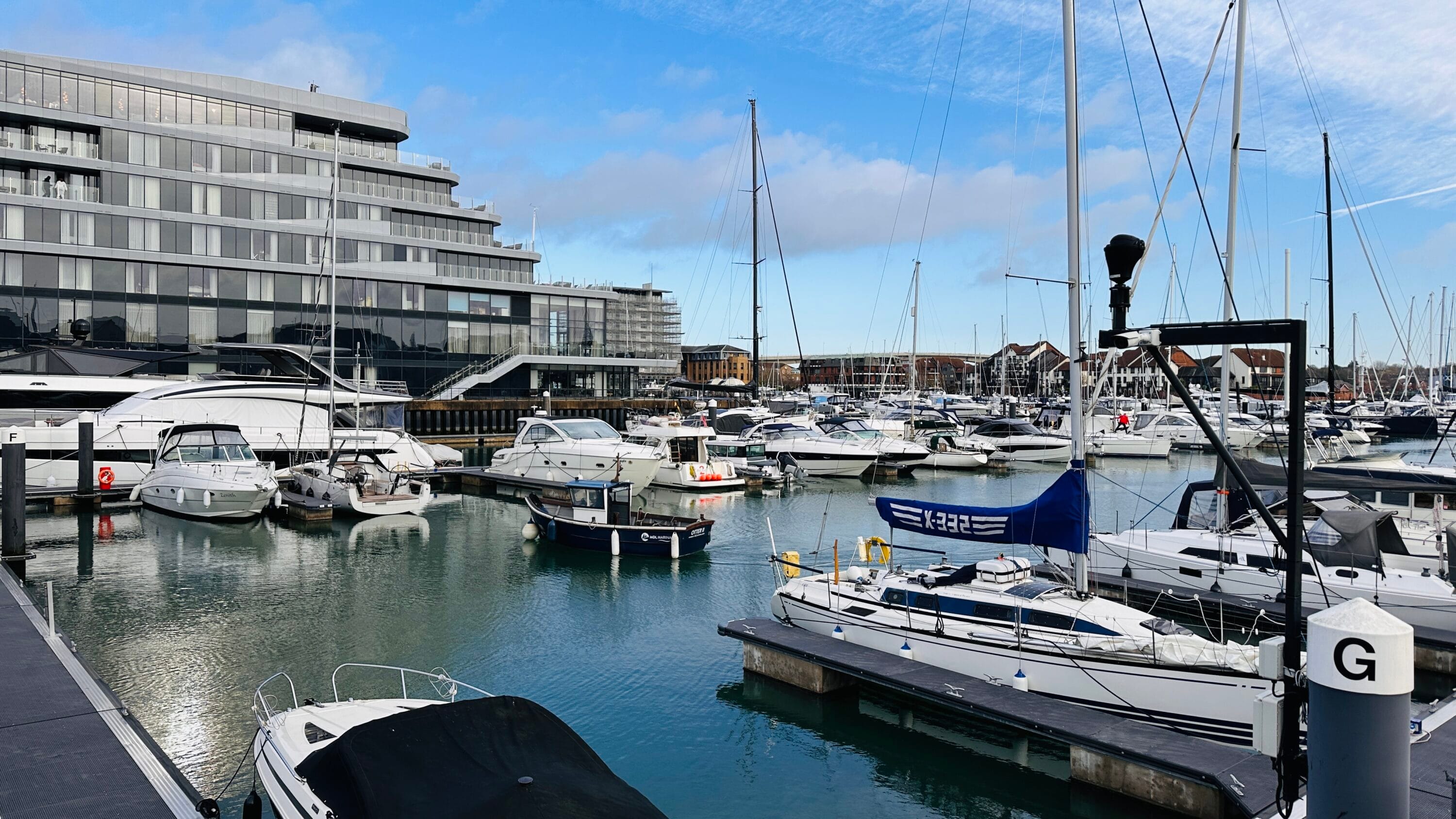
- Ocean Village: modern marina feel, waterside strolls, and that “people arriving and leaving” atmosphere.

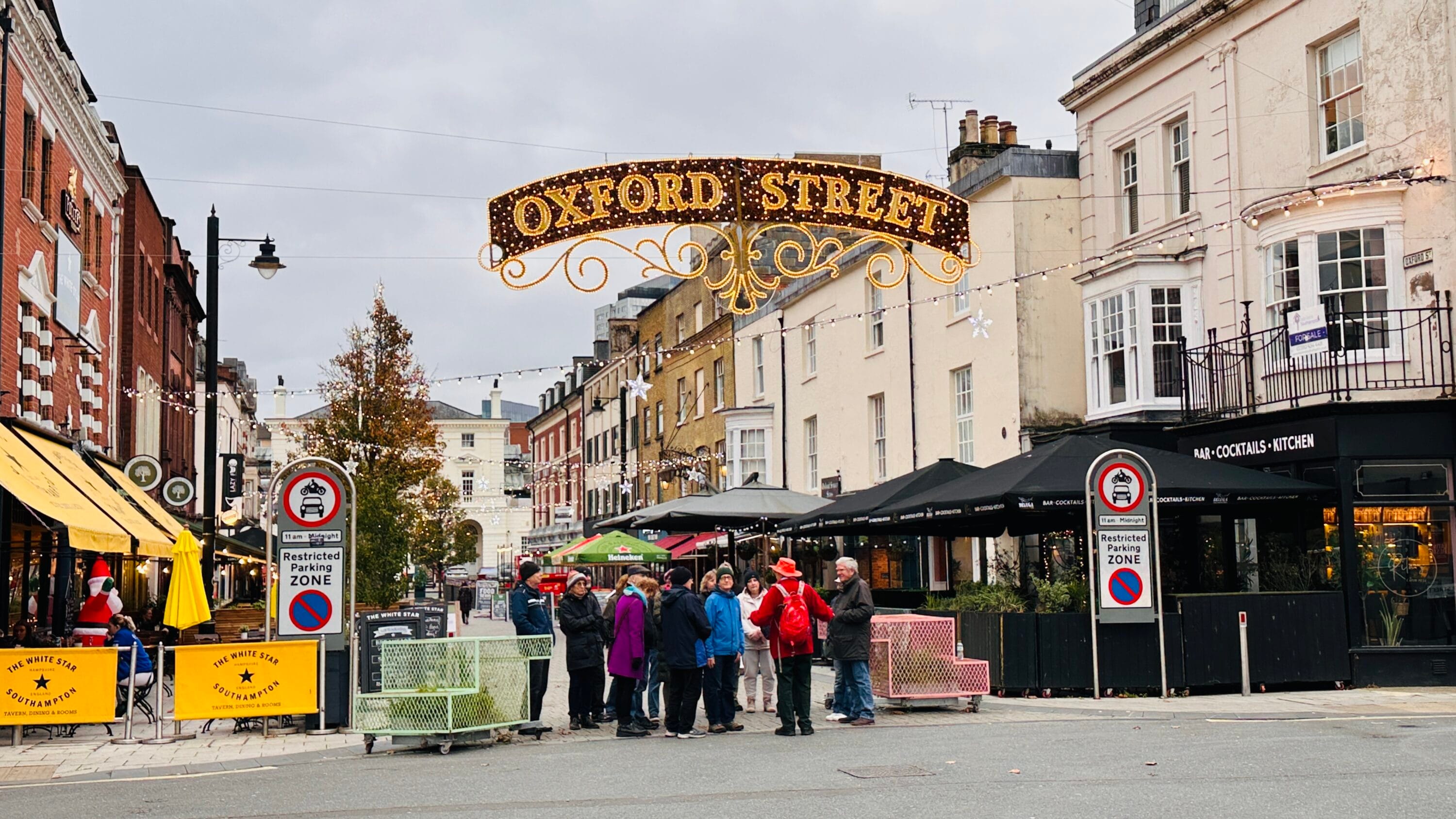
- Oxford Street: a classic for dining energy, especially when the evening crowd is out and it feels properly “port city”.
The under-rated fame: medieval walls, the Bargate, and the Old Town
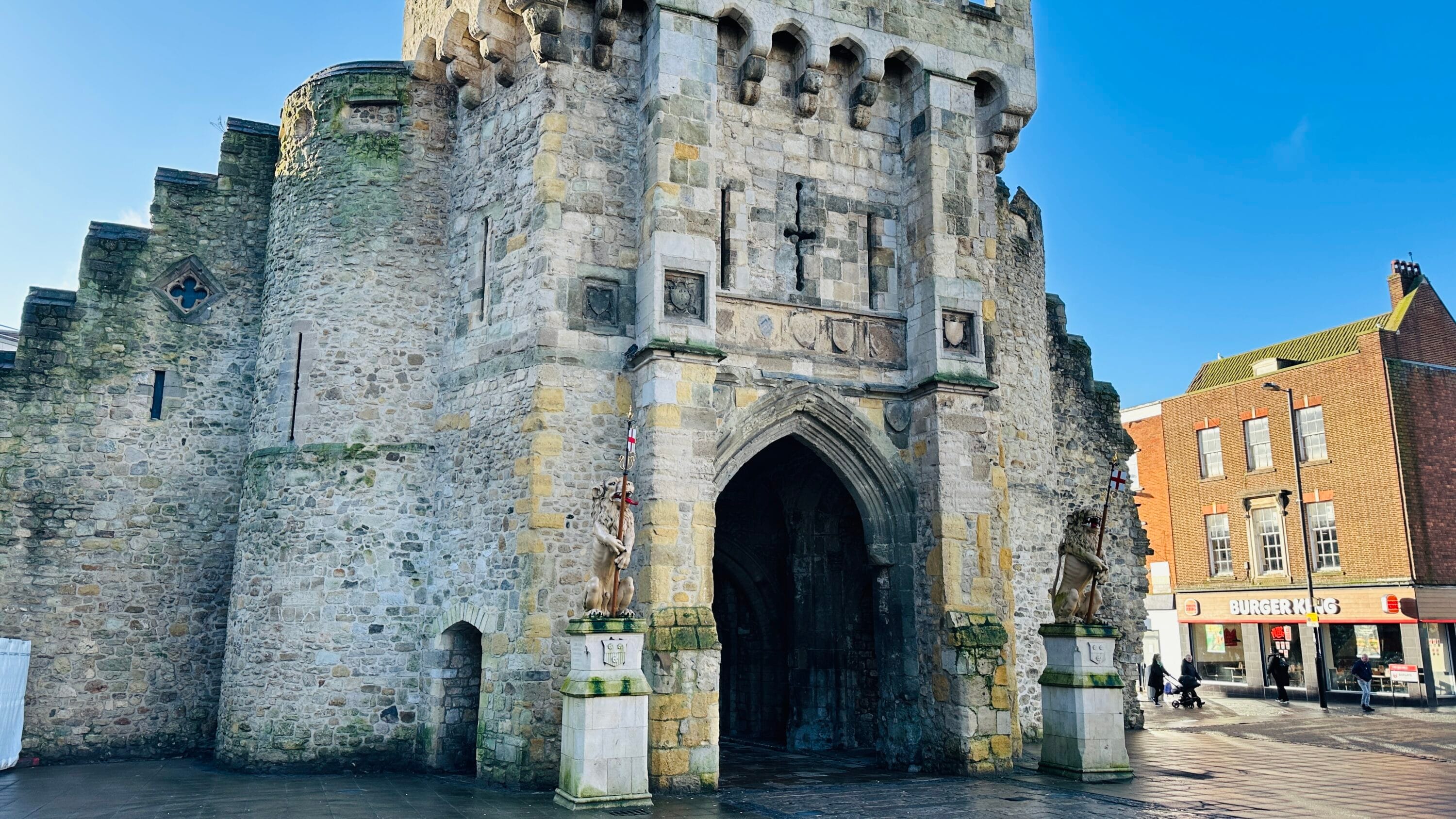
A lot of people do not realise Southampton has substantial surviving medieval town walls, and they are not just one photo spot.
If you want the city’s historic skeleton, head into the Old Town and build your walk around:
- The Bargate (iconic city symbol)
- Wall stretches around Town Quay and the lanes behind the main roads
My favourite way to do it
I like to treat the walls as a “thread” rather than a checklist: start at the Bargate area, then drift down into the Old Town streets and let the fragments appear as you go. It is more fun, and it feels less like homework.
Culture that surprises people: galleries, theatres, and the “Cultural Quarter”
If you only know Southampton from passing through, you might miss that it is a proper arts city.
In the Cultural Quarter, you have galleries and performance spaces that give the centre real life beyond shopping. The Mayflower Theatre is the big name locals actually use as a landmark (“near the Mayflower”), not just a tourist stop.
Local Secret: The “Dancing Man” View
Skip the generic hotel bars. Head to The Dancing Man Brewery located in a 14th-century wool house. Grab a local ale and sit on the outdoor terrace; it offers the best unobstructed view of the Town Quay and the Isle of Wight ferries without the “tourist” price tag.
The green-space flex: Southampton Common
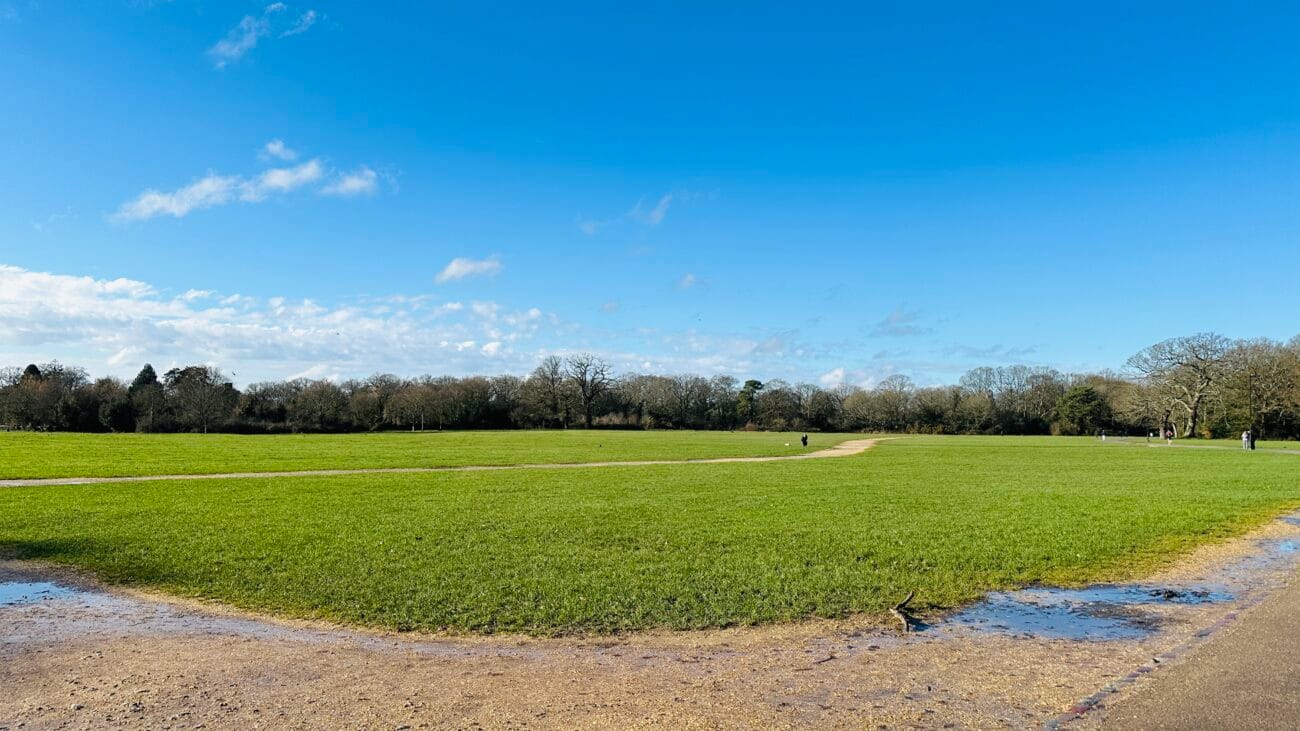
Here is the curveball: Southampton is also famous (quietly) for its parks, especially Southampton Common, a huge green reset button right near the centre.
When I need a breather from the city streets, the Common is where Southampton feels like itself: dog walkers, runners, families, and a very “normal Sunday” atmosphere that visitors rarely see if they stay around Westquay.
Frequently Asked Questions (FAQ)
1. Is the Titanic the main thing Southampton is famous for?
It is the biggest single association for many people, yes, and Southampton’s Titanic story is a defining part of the city’s identity.
2. What else is Southampton famous for besides the port?
Medieval walls, the Bargate, arts venues in the centre, and being a practical base for exploring the wider area.
3. Is Southampton worth visiting if I am not cruising?
Yes, especially if you like walkable history, waterfront energy, and museums you can do in a half-day without overplanning.
4. How long do I need to see the highlights?
You can get a strong feel for Southampton in a day, but a weekend lets you slow down and do it properly: Old Town, culture, waterfront, and the Common.
5. Where should I base myself for the best Southampton experience?
If you want history, stay walkable to the Old Town and Civic Centre area. If you want waterside evenings, aim for Ocean Village, then walk or hop over to Oxford Street for food-and-drink atmosphere.
Planning a family day out?
Keep it easy and budget-friendly with free things to do in Southampton with kids.