

Tudor House and Garden: A Masterpiece of Southampton Heritage
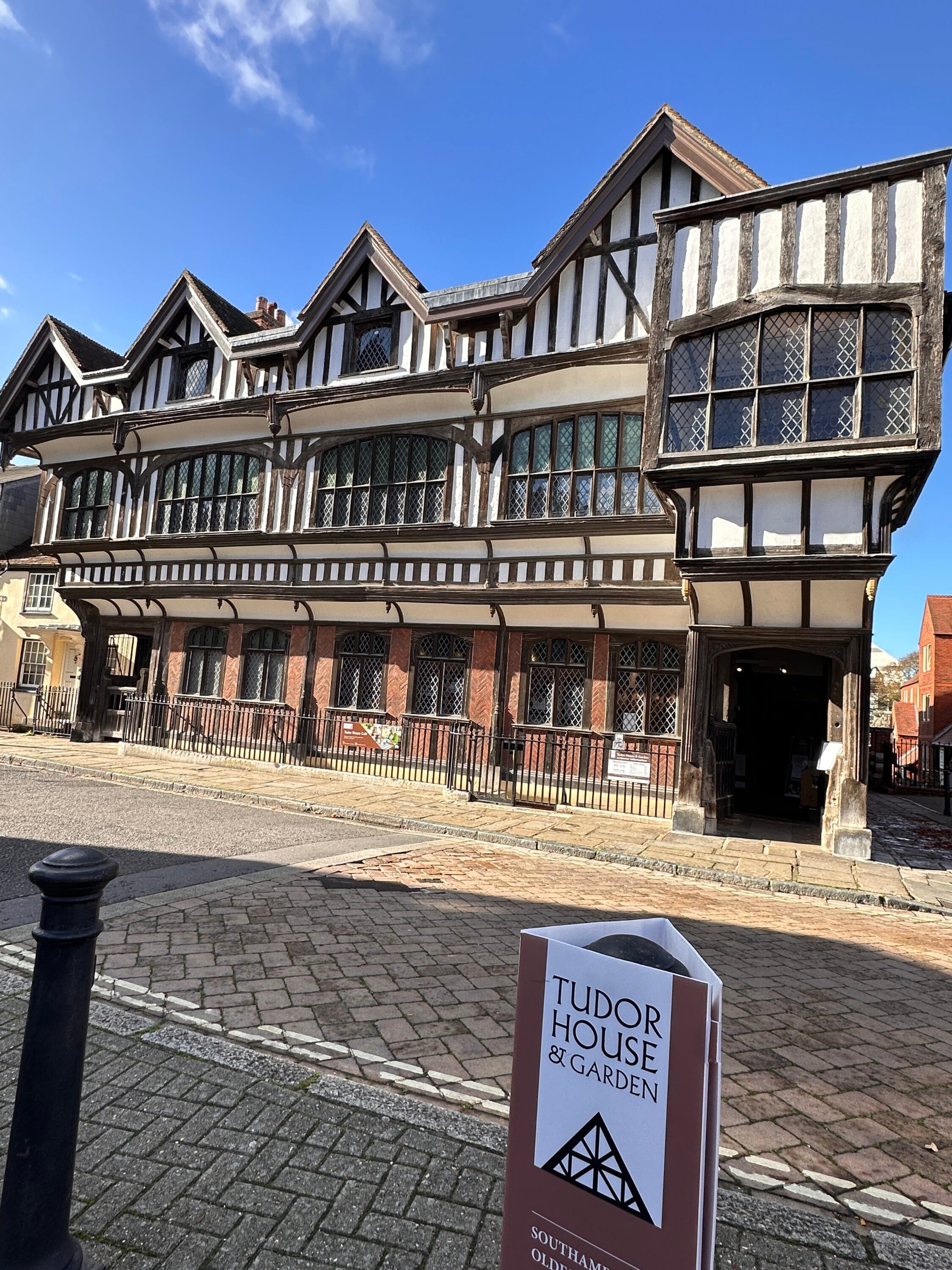
Tudor House and Garden is widely regarded as the most important historic building in Southampton. Situated on Bugle Street in the heart of the Old Town, this Grade I listed building offers a visual journey through over 800 years of local history. Our gallery of Tudor House and Garden photos captures the striking contrast between the black-and-white timber frames of the Tudor era and the sturdy stone ruins of the Norman period. It is a location that provides endless inspiration for photographers, historians, and visitors who wish to see the evolution of domestic life in a major English port.
A Architectural Timeline in Timber and Stone
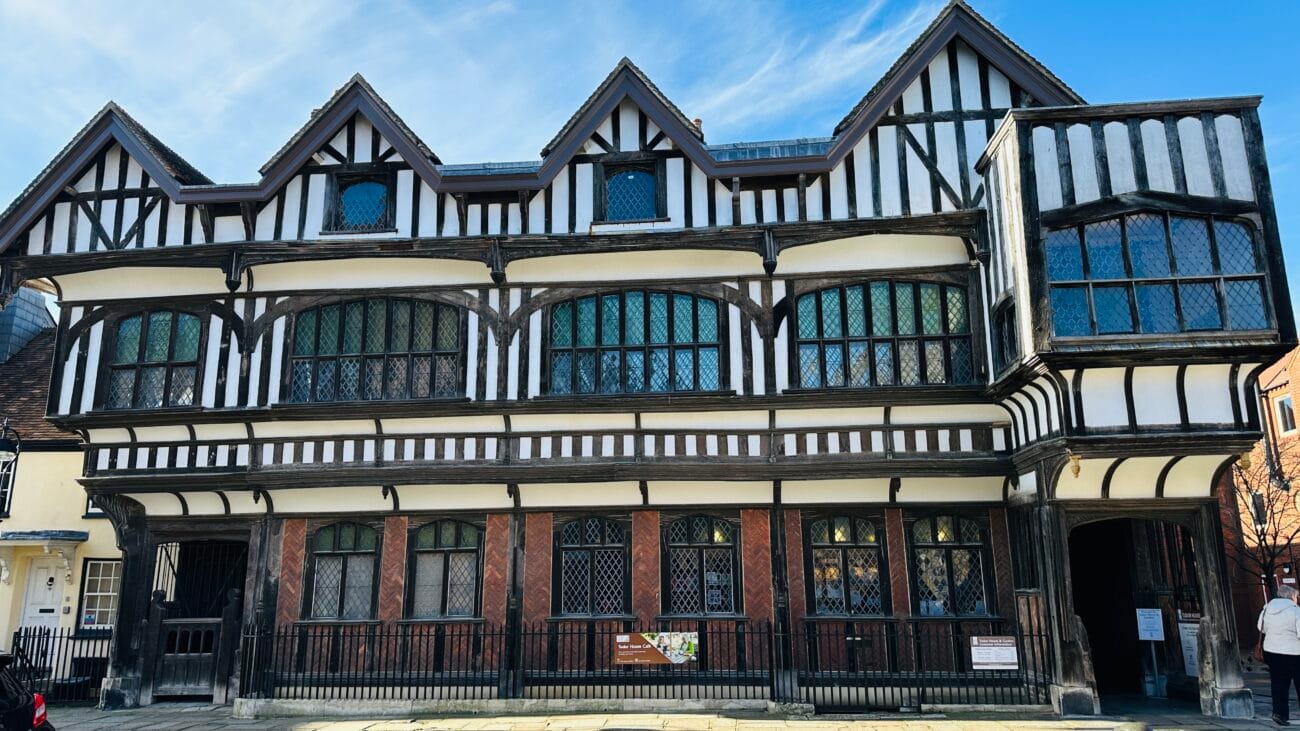
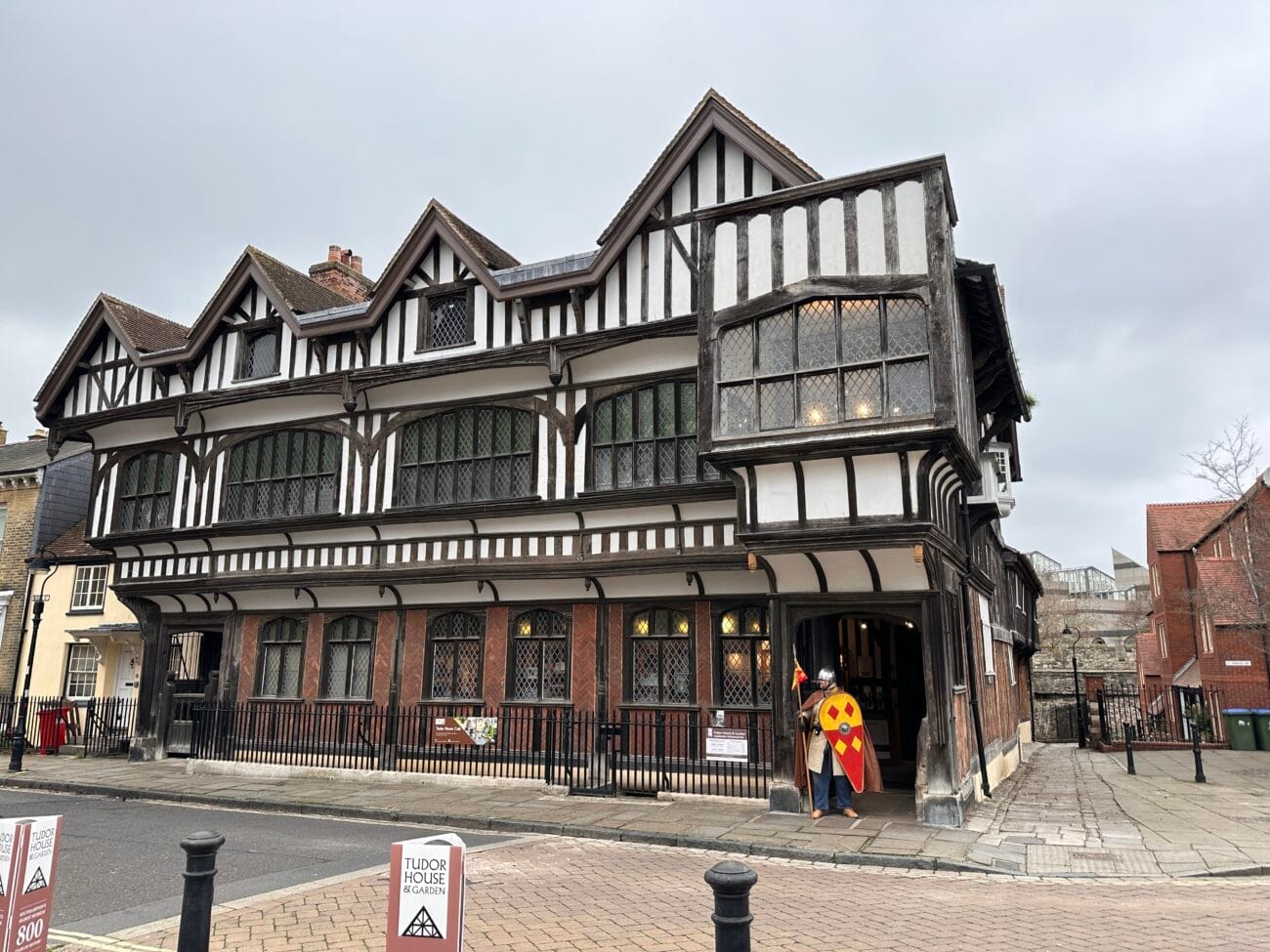
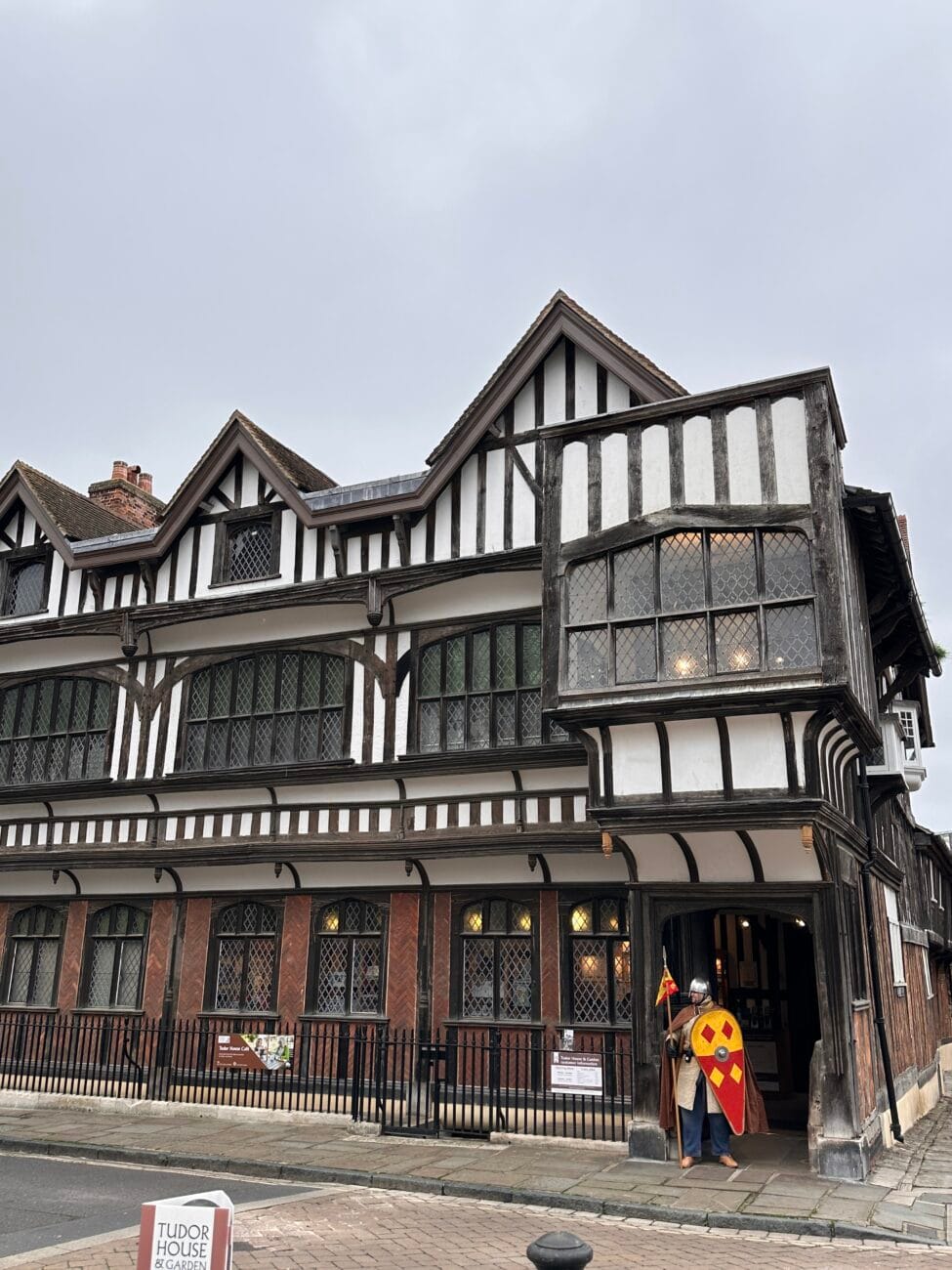
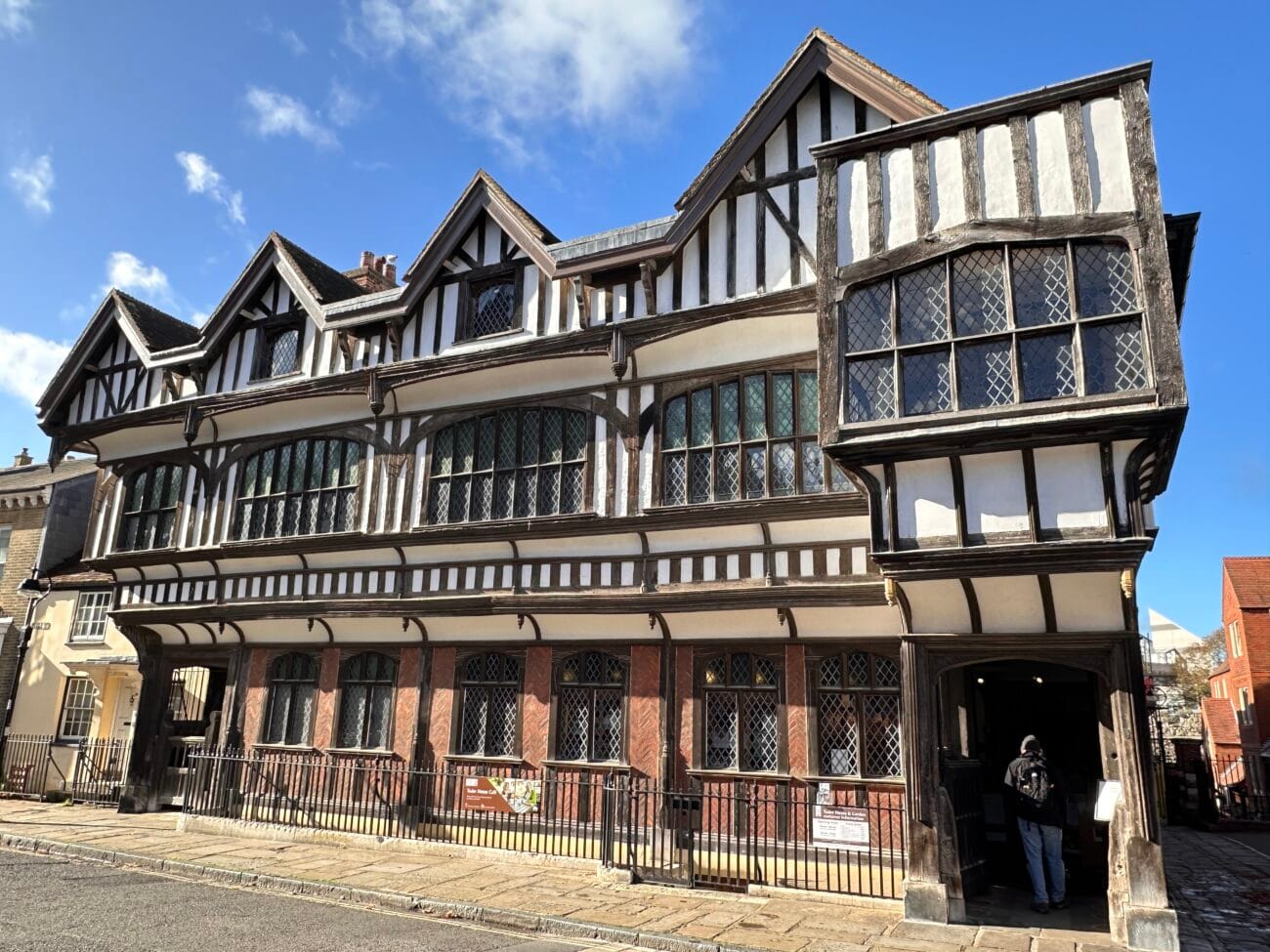
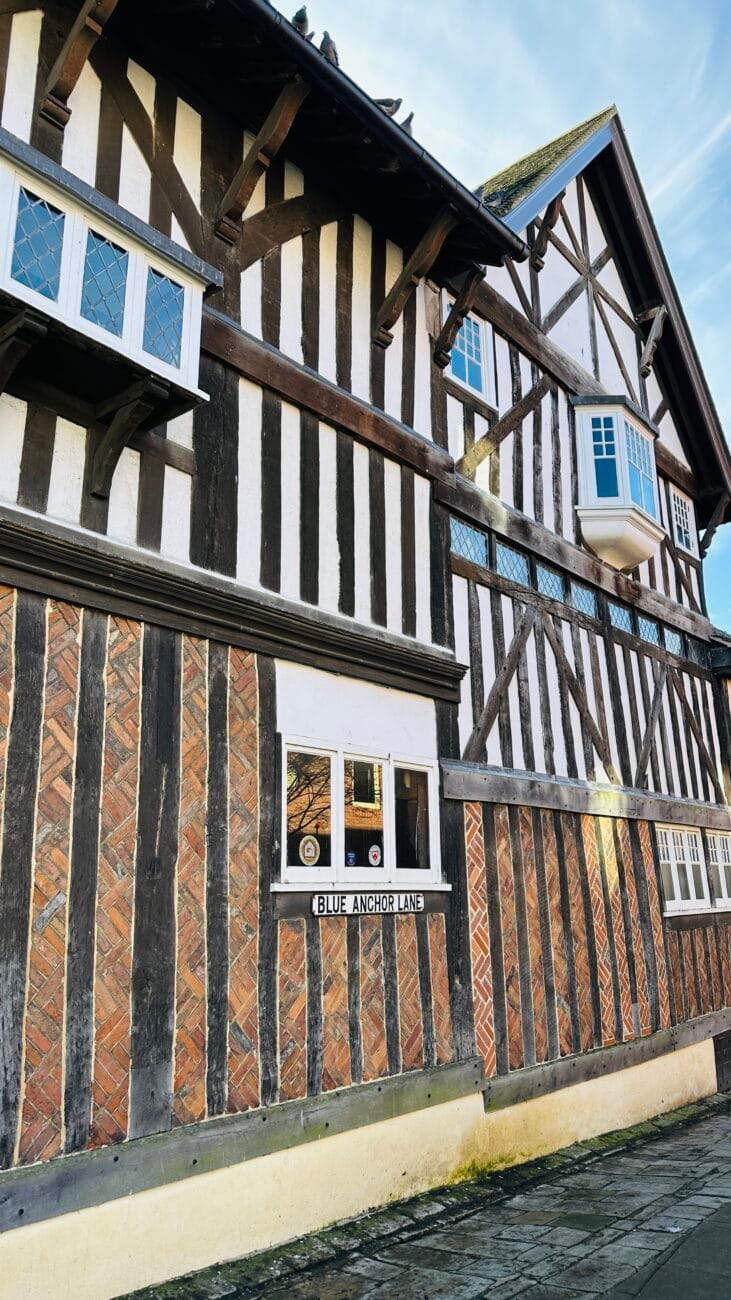
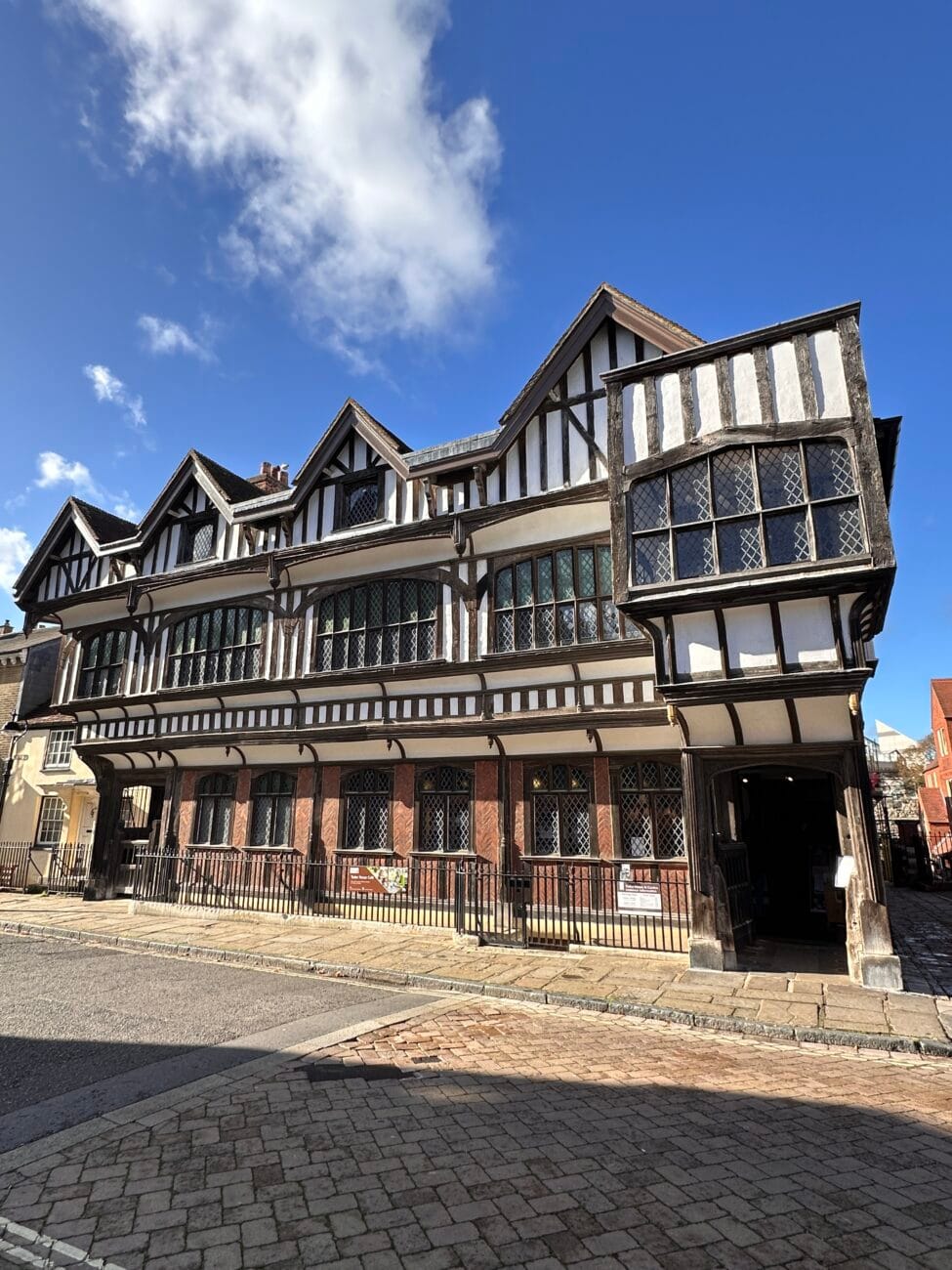
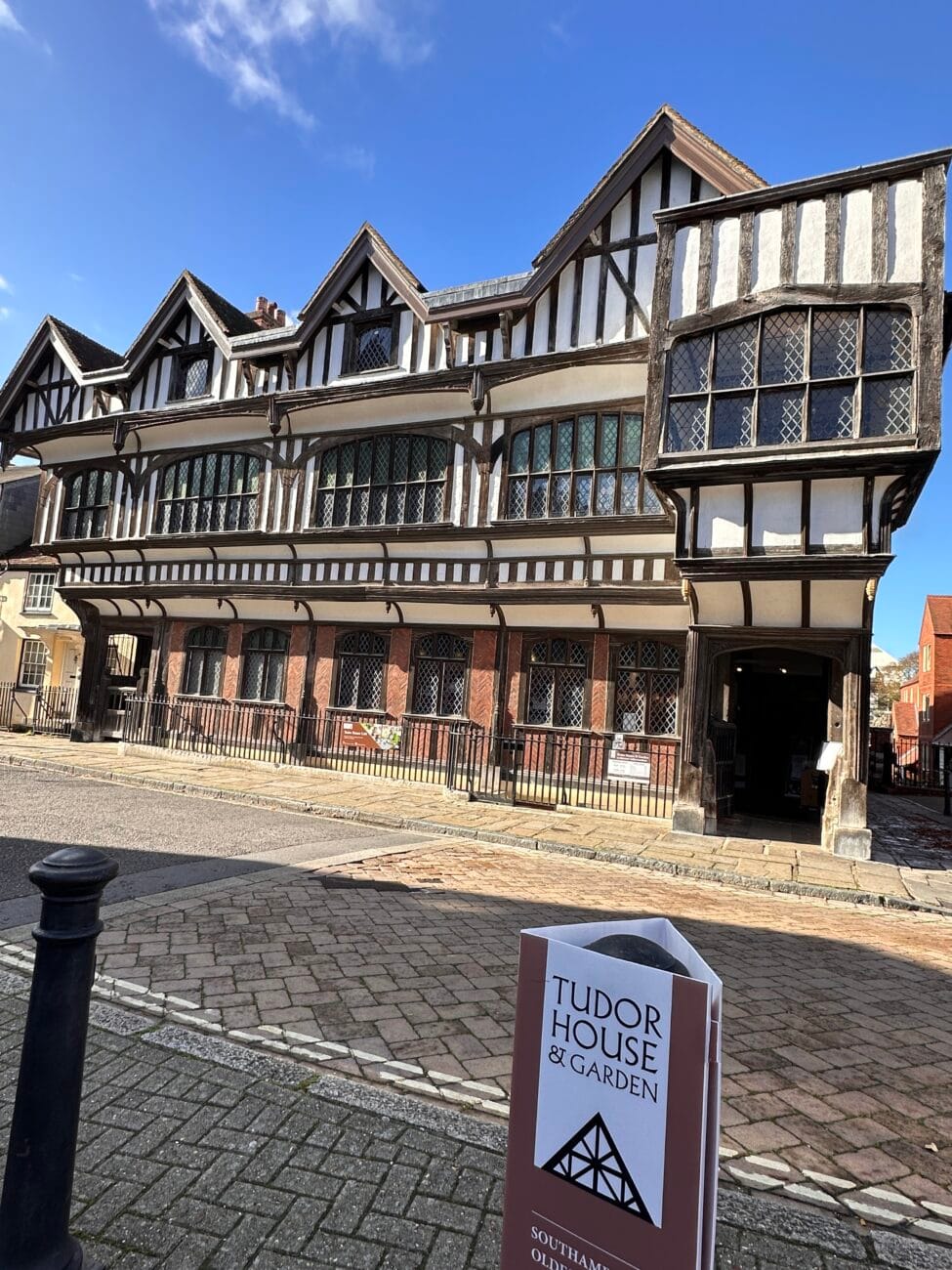
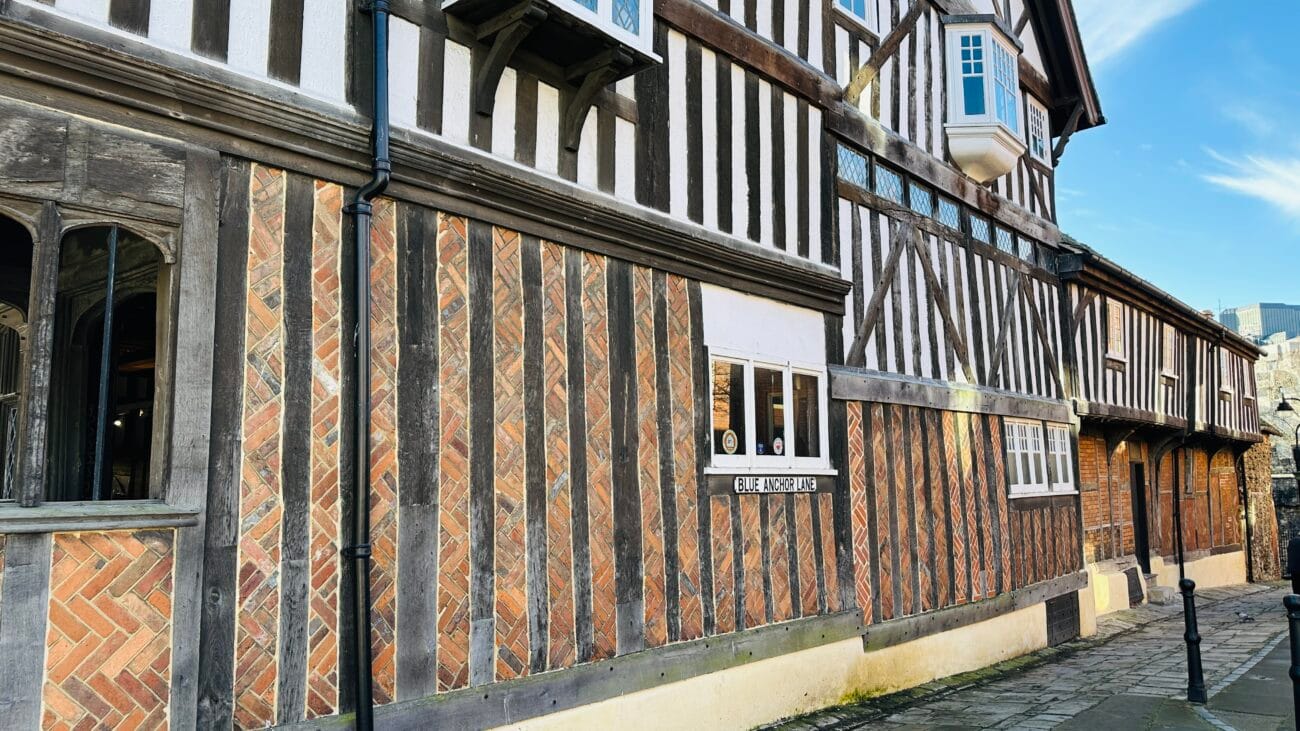
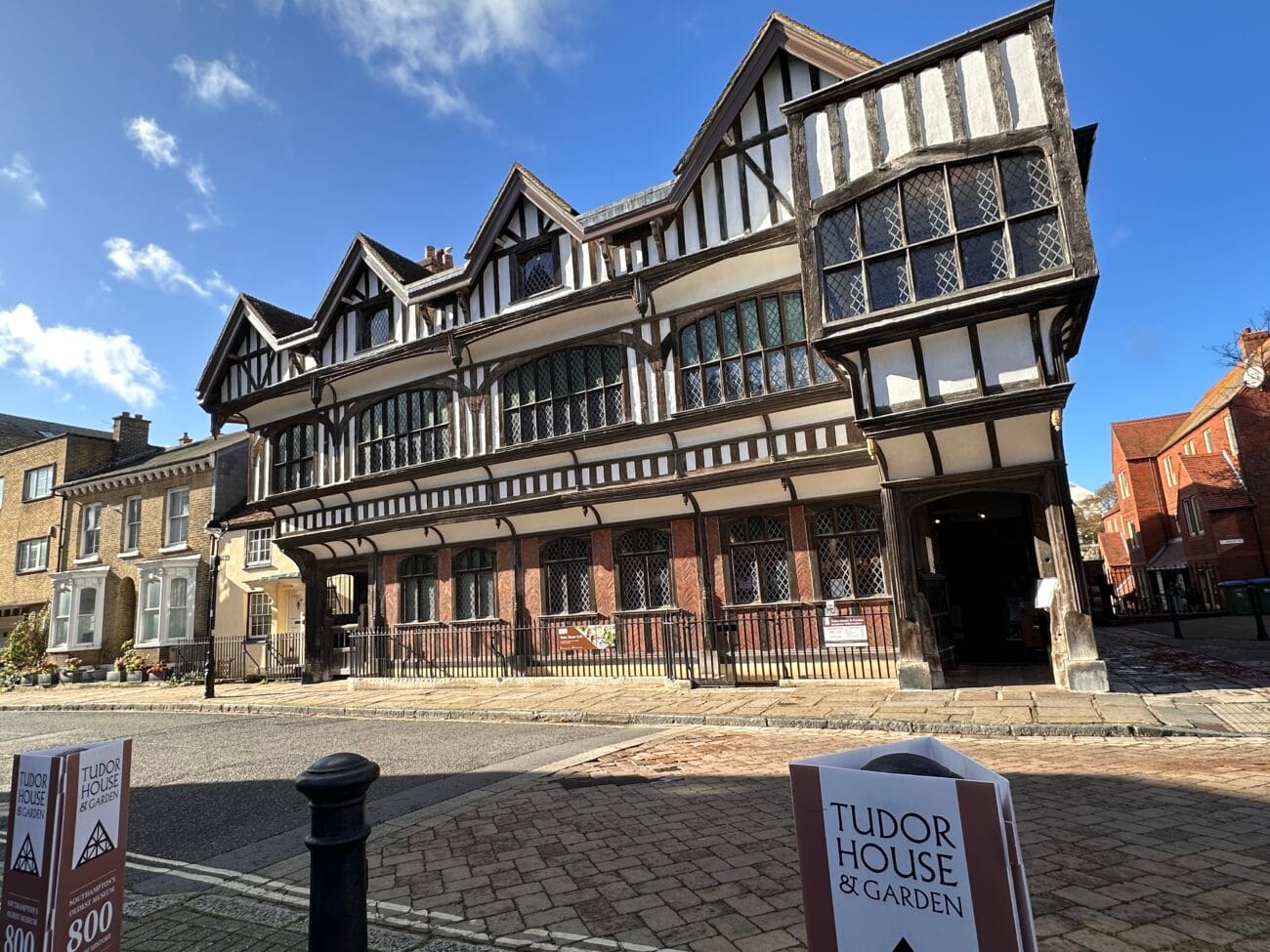
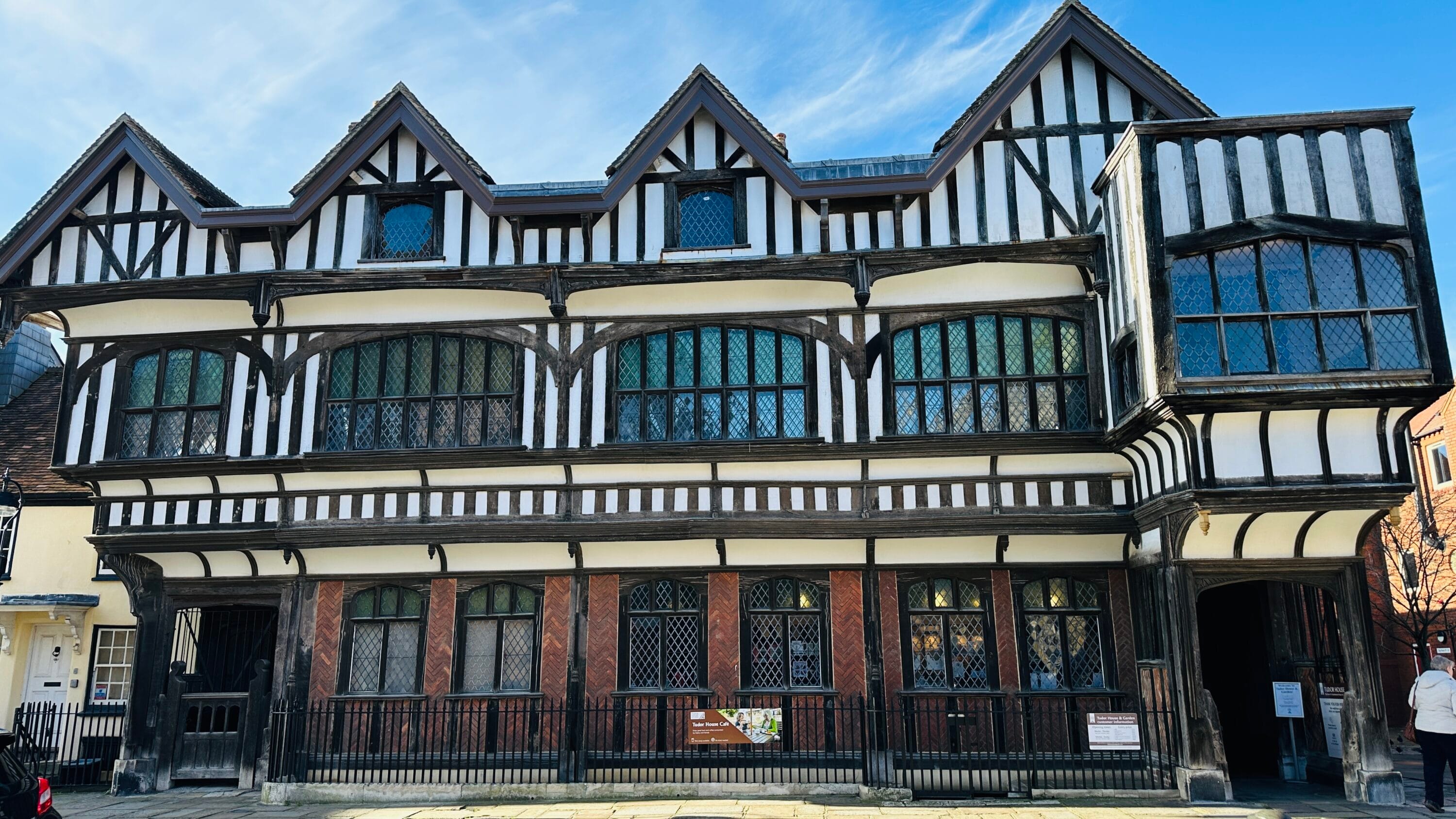
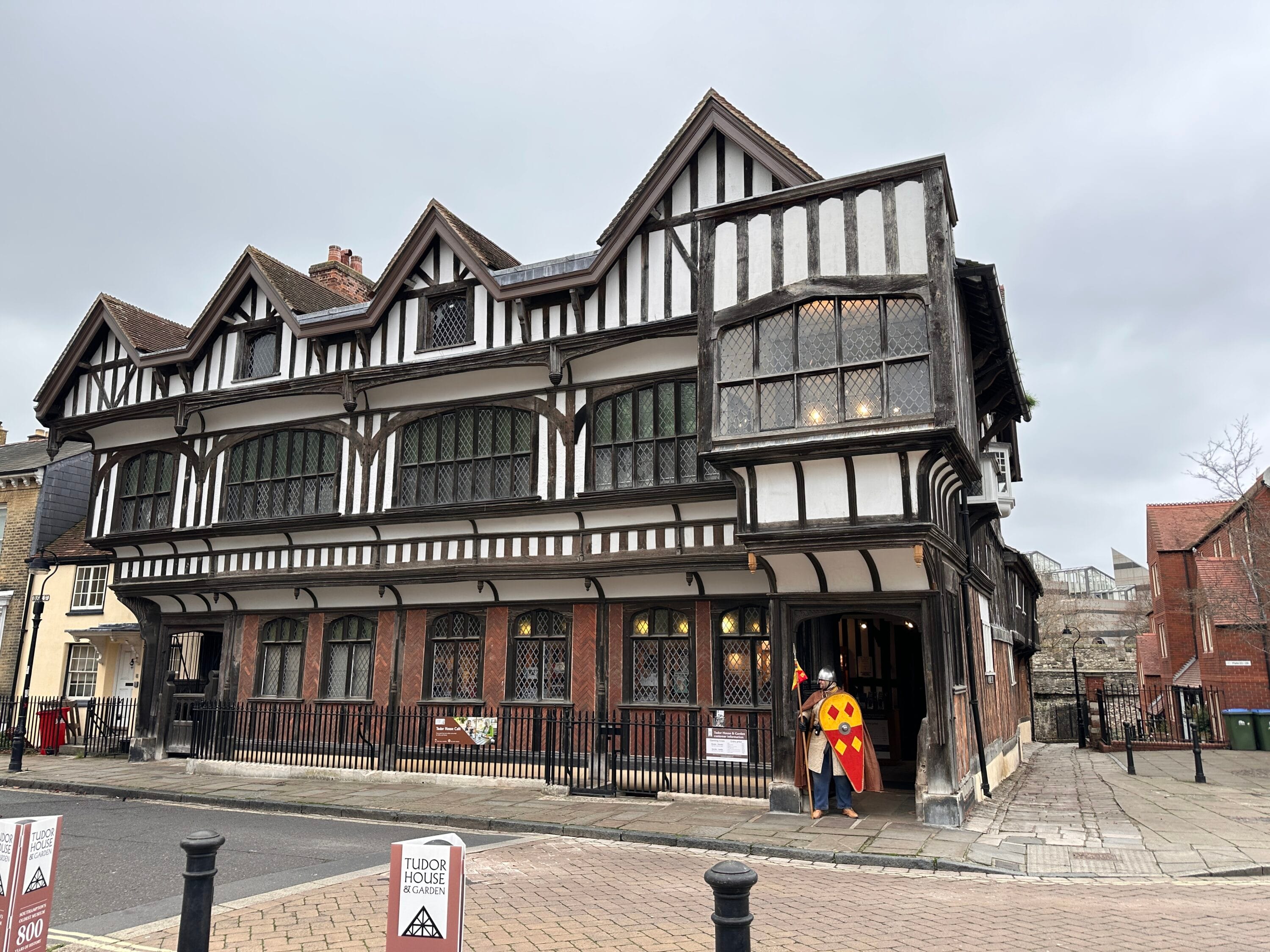
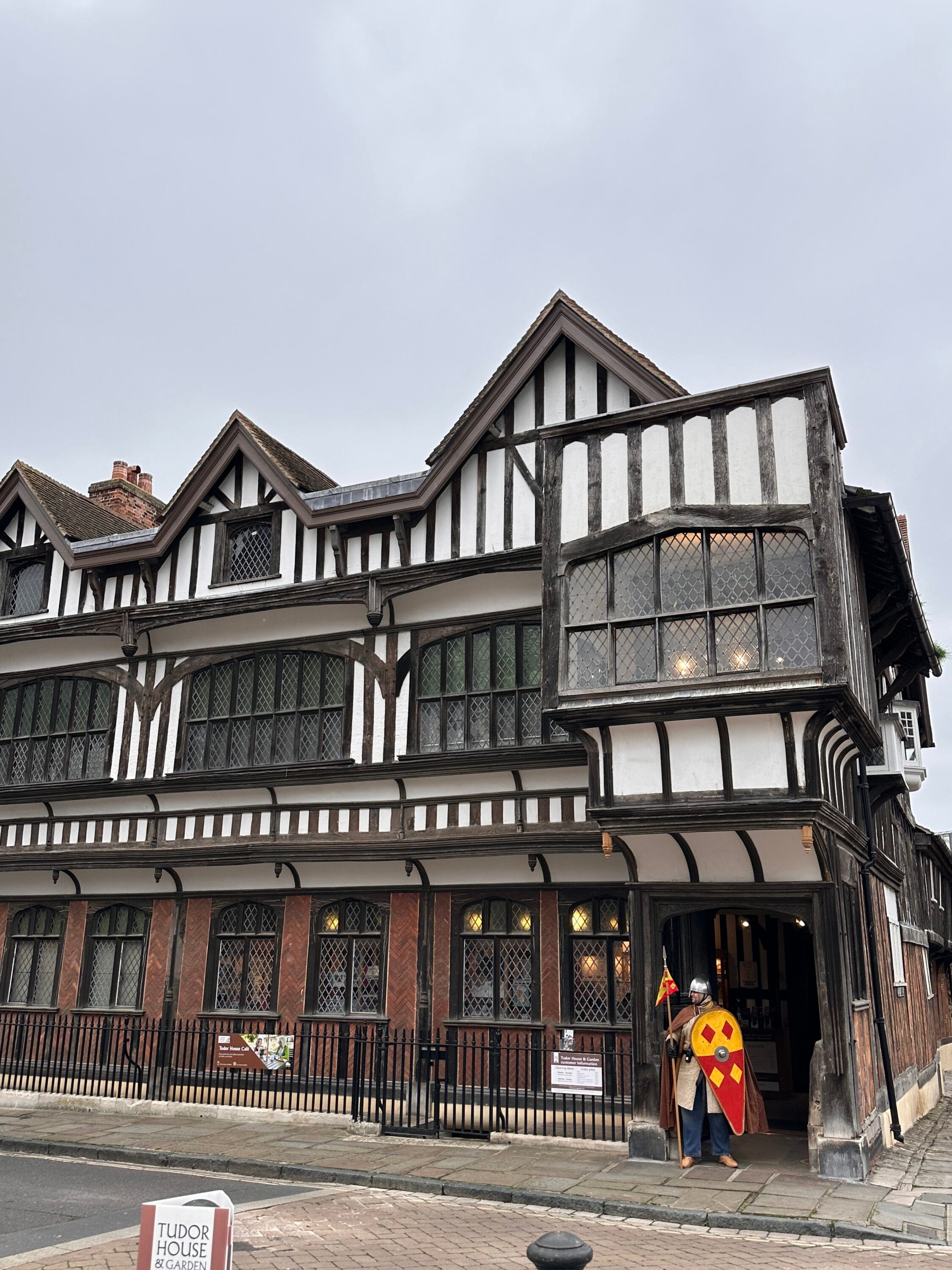
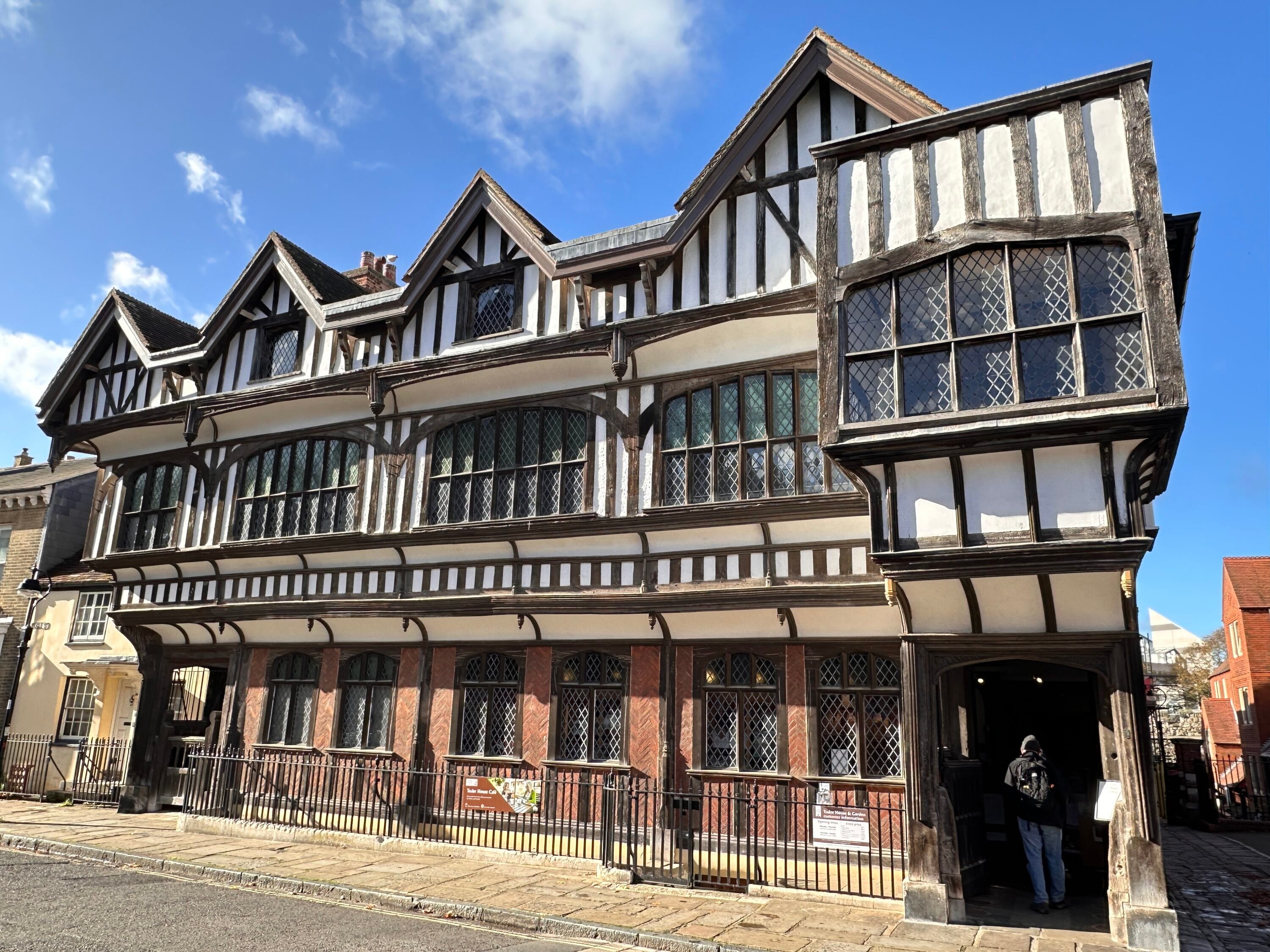
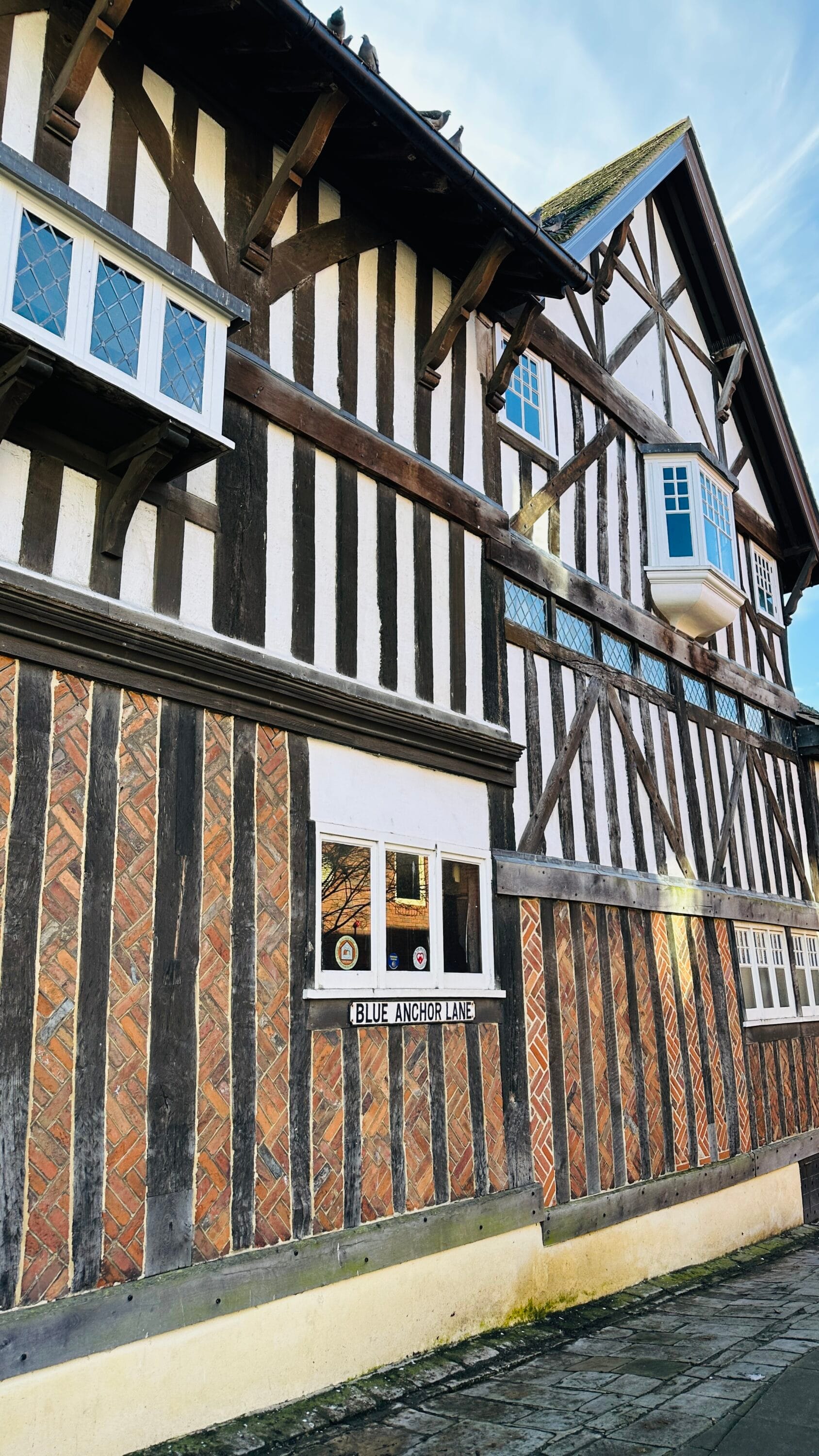
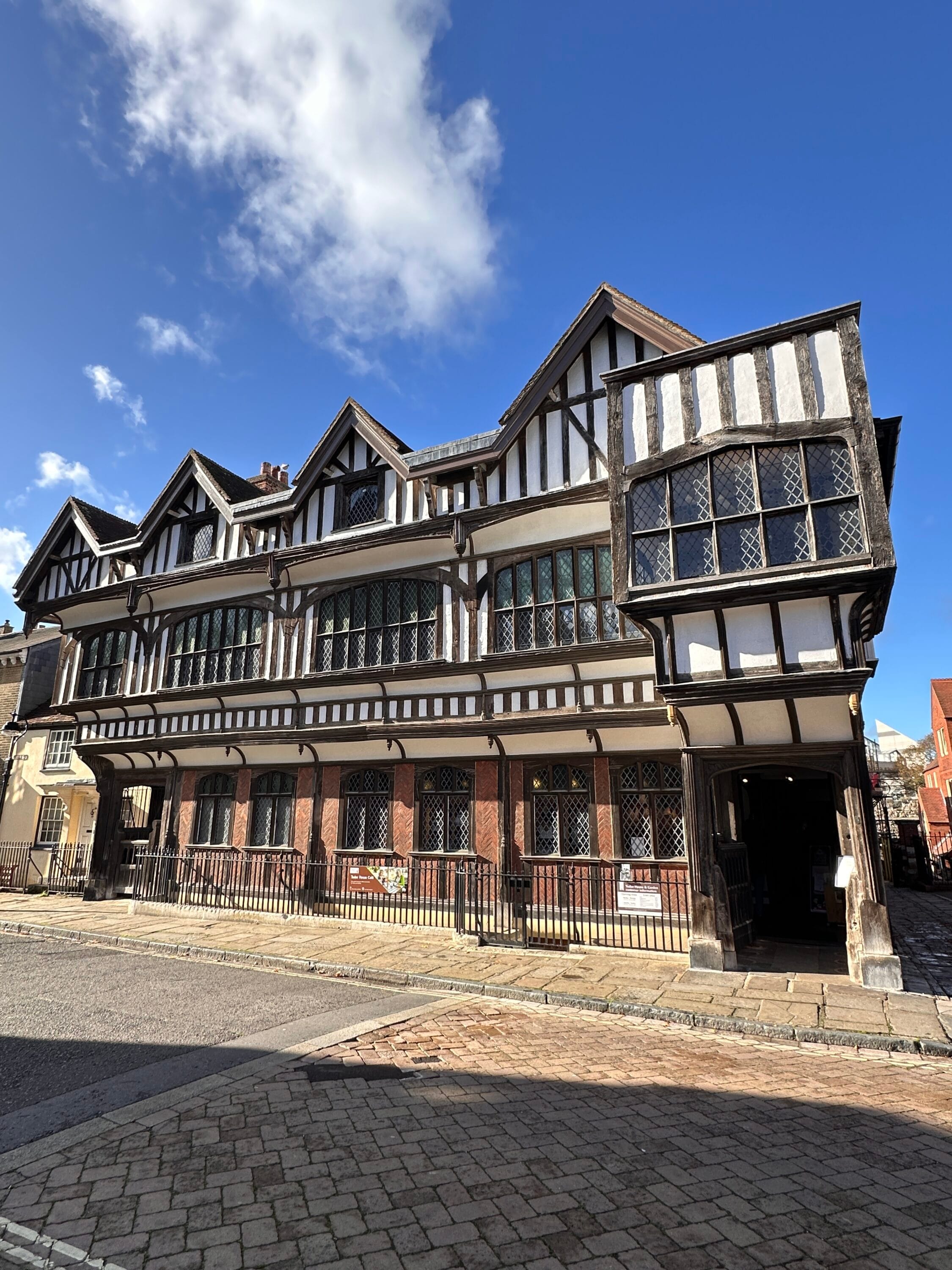
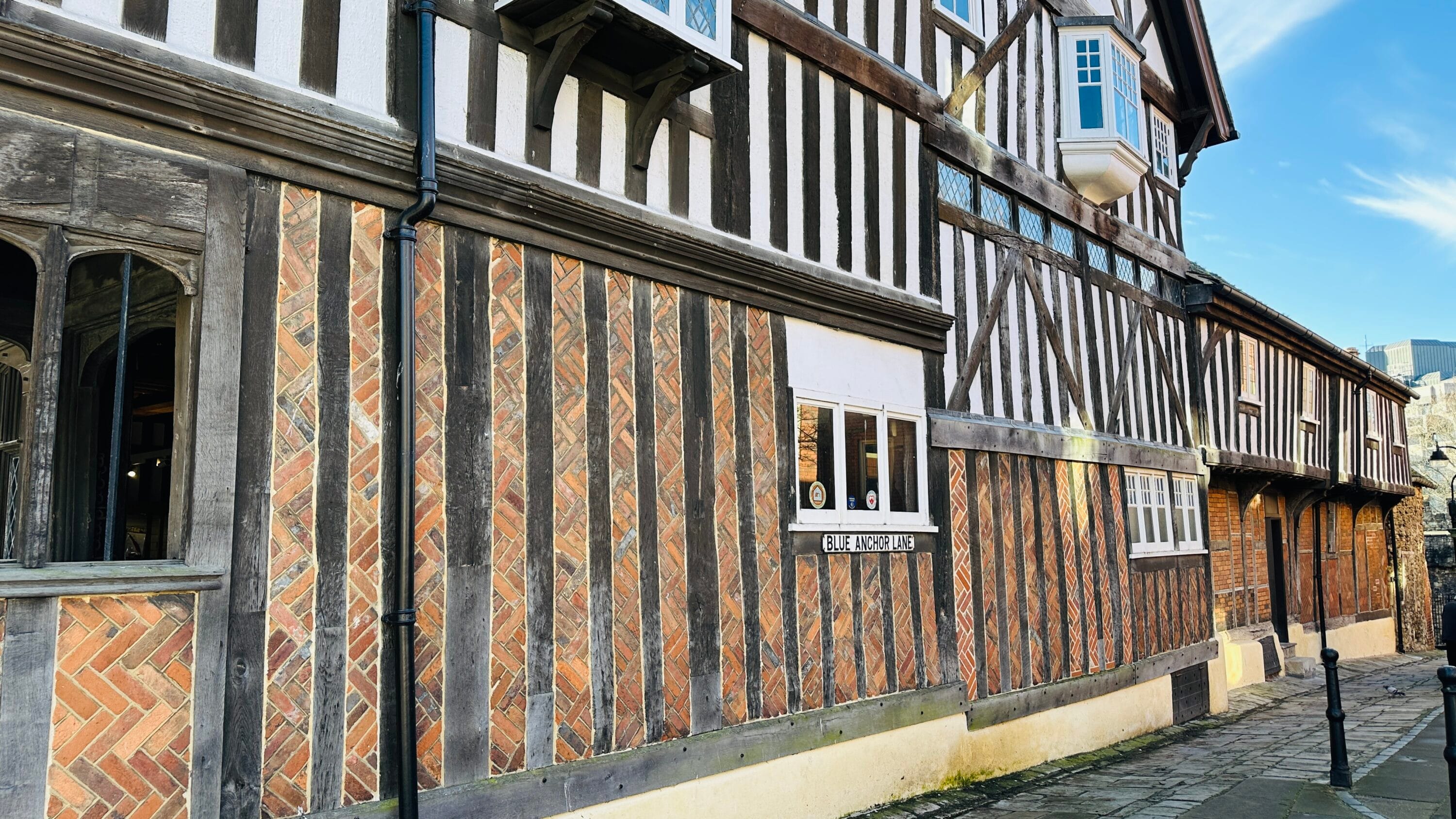
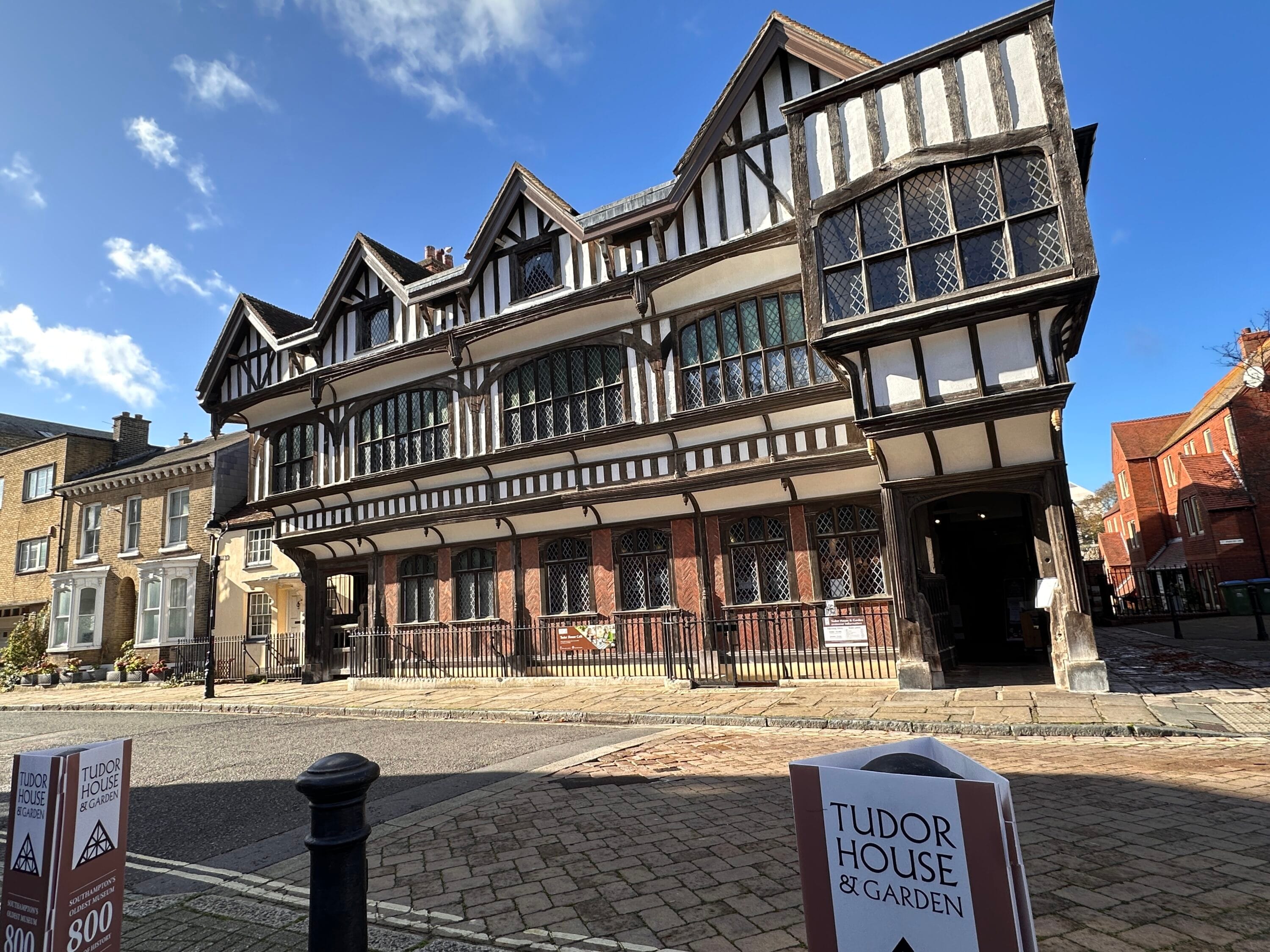
The main house is a fascinating example of how architectural styles have layered over one another through the centuries. While it is best known for its iconic Tudor facade, parts of the structure date back to the late 15th century, with significant additions made during the Victorian and Edwardian periods. In our collection of images, you can see the intricate wood carvings and the jettying of the upper floors that define the classic Tudor style. The house was originally built for wealthy merchants and influential figures, and its grand appearance was a clear statement of their status in the city.
By documenting the exterior from St Michael’s Square, we highlight how the building anchors the historic quarter. It has survived the massive changes of the industrial revolution and the devastation of the Second World War. Today, it stands as a beautifully preserved museum, managed by the local council to ensure that the craftsmanship of the past is visible to everyone. The dark oak beams against the white plaster create a high-contrast subject that is perfect for architectural photography, especially when the light hits the facade in the late afternoon.
The Recreated Tudor Knot Garden
One of the most tranquil features of the site is the recreated Tudor knot garden. Based on traditional designs from the 16th century, the garden is a symphony of geometric precision and botanical beauty. Our latest photos highlight the meticulously clipped box hedges, the fragrant lavender, and the selection of herbs and plants that would have been common in a high-status garden of the era. The garden provides a quiet, enclosed atmosphere that feels worlds away from the modern city streets just a few metres away.
The garden also features several interesting historical markers, including ancient stone carvings and lead figures. For photographers, the symmetry of the knot garden offers a perfect opportunity to practice composition. The view from the upper windows of the house looking down into the garden reveals the intricate “knot” patterns, providing a unique perspective that highlights the skill of the horticultural team. Whether it is the vibrant green of spring or the frost-covered outlines of winter, the garden is a year-round highlight of the property.
The Norman Ruins: King John’s Palace
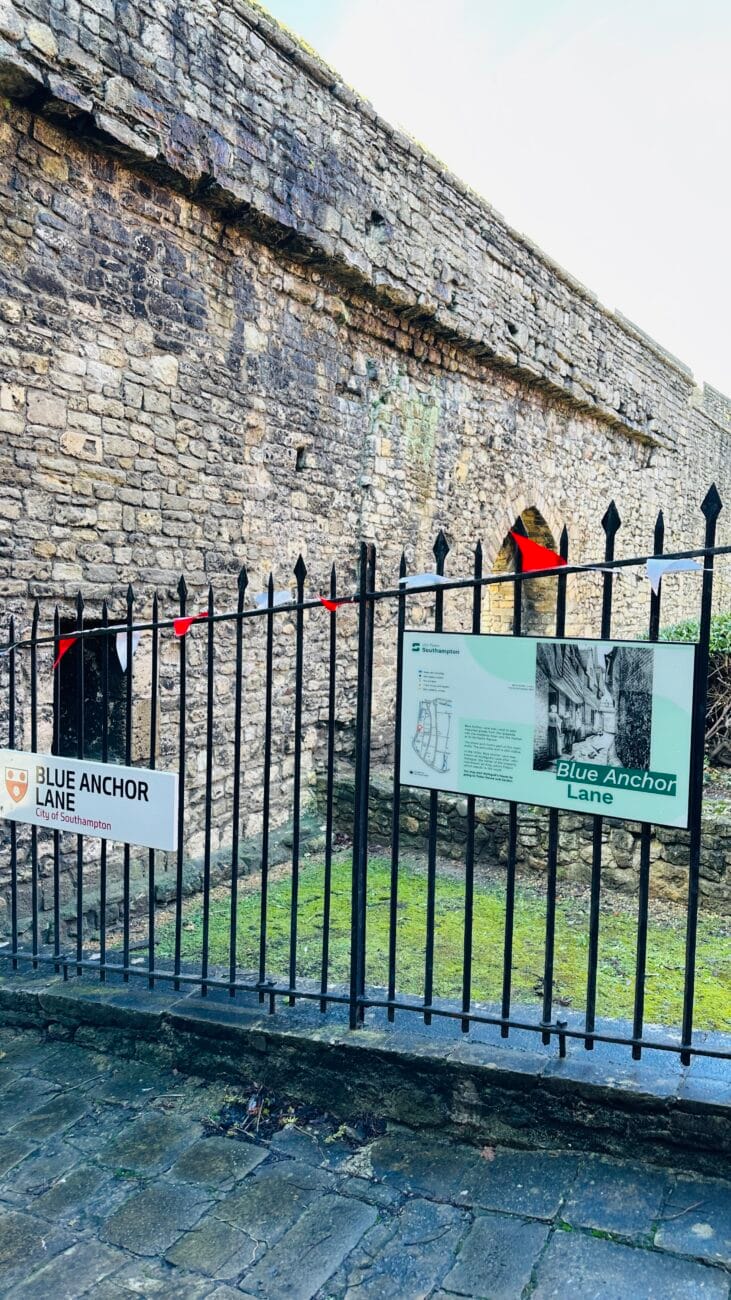
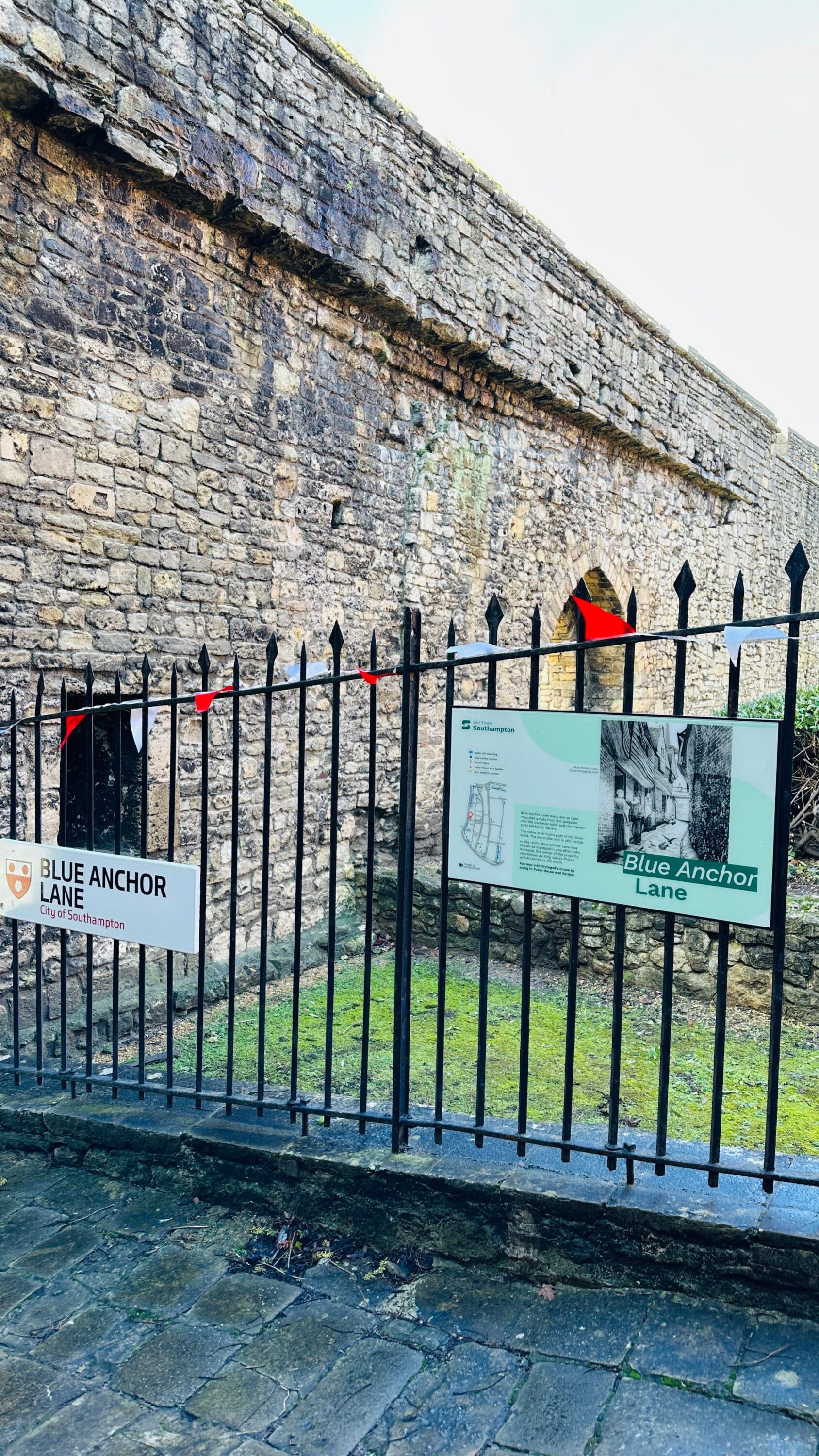
Adjacent to the main house and garden are the atmospheric ruins of a 12th-century Norman merchant house, popularly known as King John’s Palace. These are some of the oldest domestic ruins in England, and they provide a stark, stone-walled contrast to the timber frames of the main building. Our gallery explores the skeletal remains of the great hall and the arched windows that once looked out toward the western shore. The ruins offer a profound sense of the deep history of the site, pre-dating the Tudor house by several centuries.
The limestone and flint walls of the palace are an excellent subject for detail shots. The weathered textures and the way the shadows play across the empty window frames create a dramatic, moody environment. By including these ruins in our visual guide, we show the full breadth of the site’s history, from the early Norman trade in wine and wool to the domestic comforts of the later centuries. It is a rare opportunity to see two distinct eras of English history side by side in a single location.
Photography Tips for the Tudor House and Garden
Capturing the essence of such a diverse historic site requires attention to detail and light. Based on our experience shooting this gallery, here are a few suggestions for your visit:
- Embrace the Textures: Use a macro lens or move in close to capture the grain of the 500-year-old oak beams and the rough-hewn stone of the Norman ruins. These details help to convey the age and character of the buildings.
- Utilise Interior Lighting: Inside the house, the light is often soft and directional, filtering through leaded windows. This creates a highly atmospheric environment that is ideal for capturing the period rooms without the need for artificial flash.
- Elevated Perspectives: Do not miss the opportunity to take photos from the first-floor windows. This viewpoint is essential for capturing the full geometric beauty of the knot garden and the layout of the surrounding Old Town streets.
- Seasonal Changes: The garden changes dramatically throughout the year. Visit in early summer to capture the lavender in full bloom, or during a clear winter morning to see the sharp architectural lines of the garden structures.
Our goal with these Tudor House and Garden photos is to showcase the incredible heritage that remains preserved in the heart of Southampton. It is a place where history is not just a story but a physical presence you can walk through. We update our galleries regularly to ensure we capture the house and garden in every light and season. For more information on the other historic landmarks of the Old Town, including the Medieval Merchant’s House and the Bargate, be sure to explore our full suite of Southampton City Guides.