


Medieval Merchant’s House: A Visual Step Back into 14th-Century Southampton
The Medieval Merchant’s House, situated on French Street, is one of the most remarkable architectural survivors in England. Built around 1290 by John Fortin, a prosperous merchant involved in the wine trade with Gascony, this building offers a rare and authentic glimpse into the daily life of the medieval period. Our gallery of Medieval Merchant’s House photos captures the rugged beauty of its timber-framed structure and the atmospheric interior that has stood the test of time for over seven centuries. As one of the oldest surviving homes in the country, it remains a primary subject for those interested in the historical evolution of Southampton’s Old Town.
Architectural Resilience in the Old Town
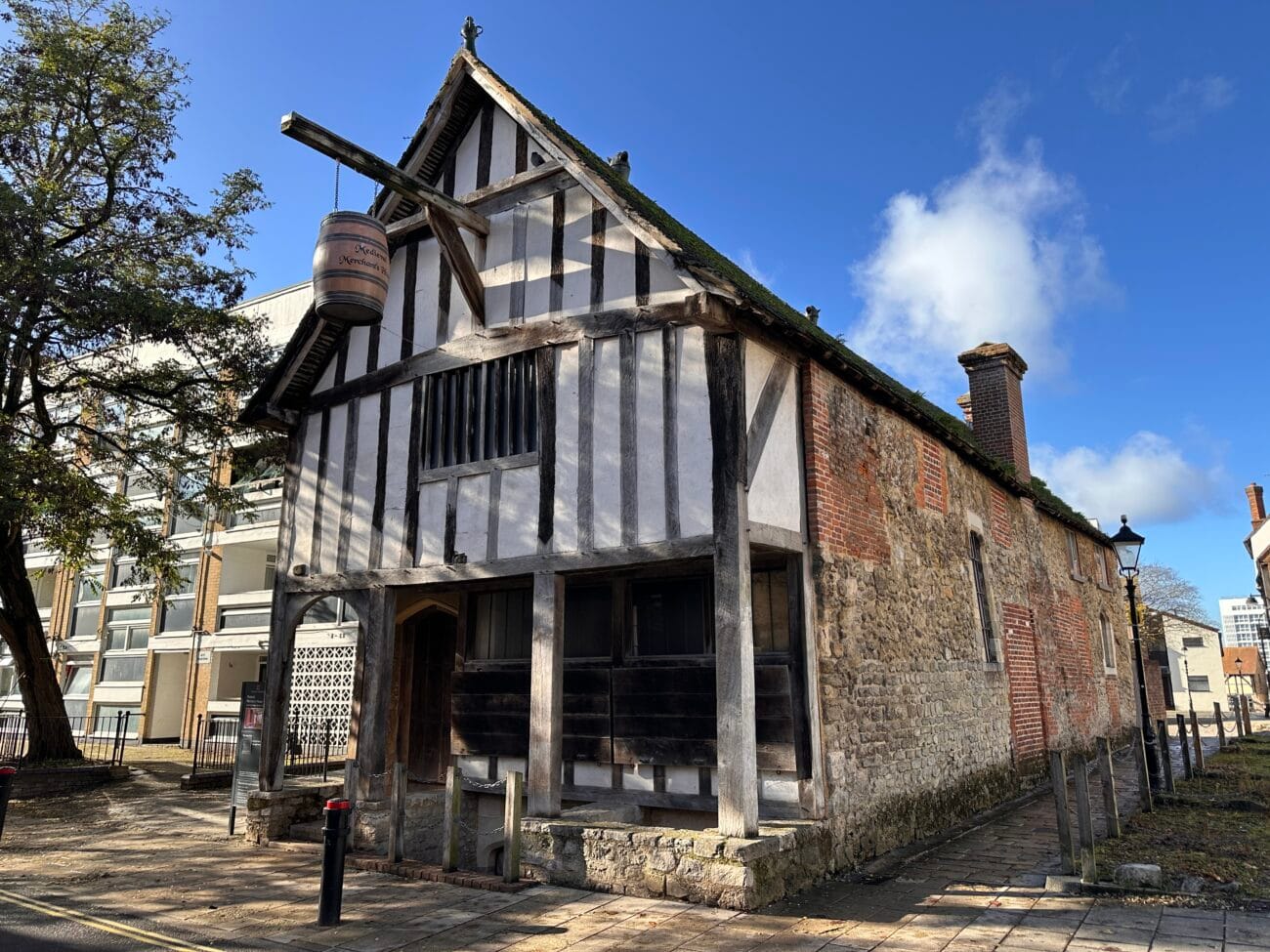
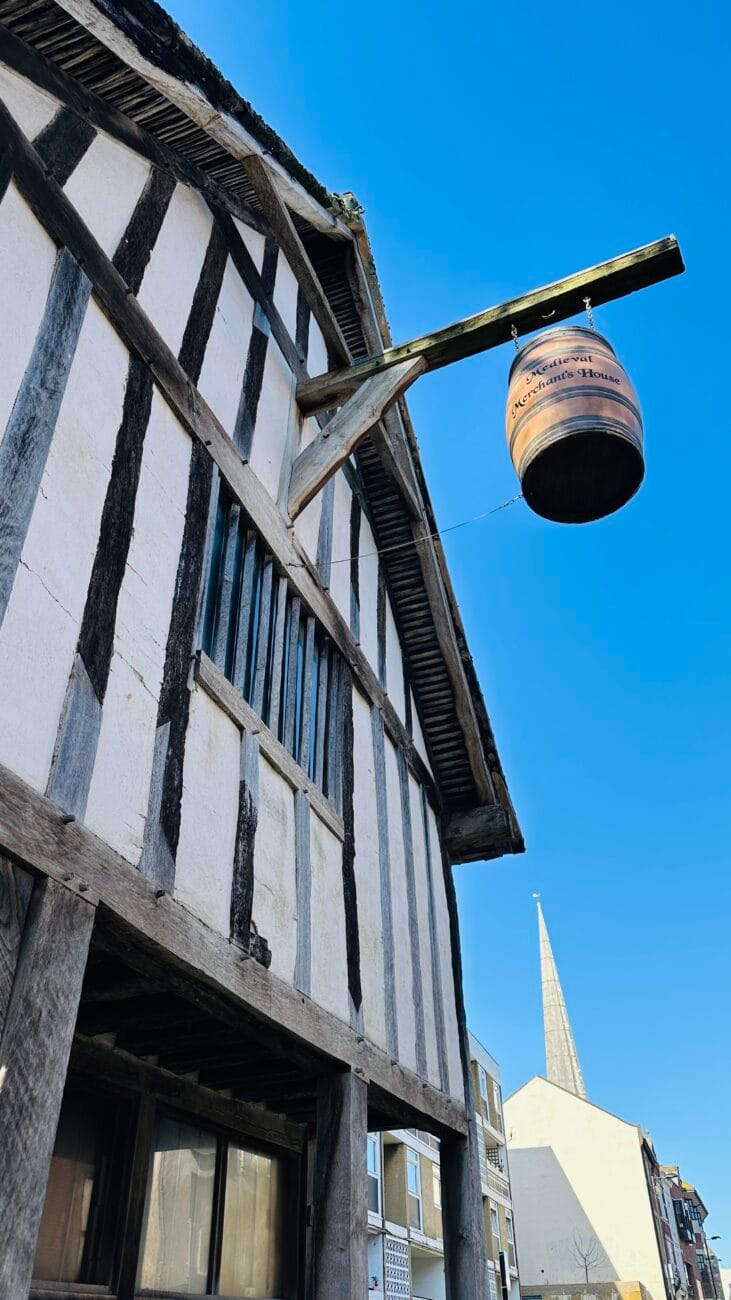
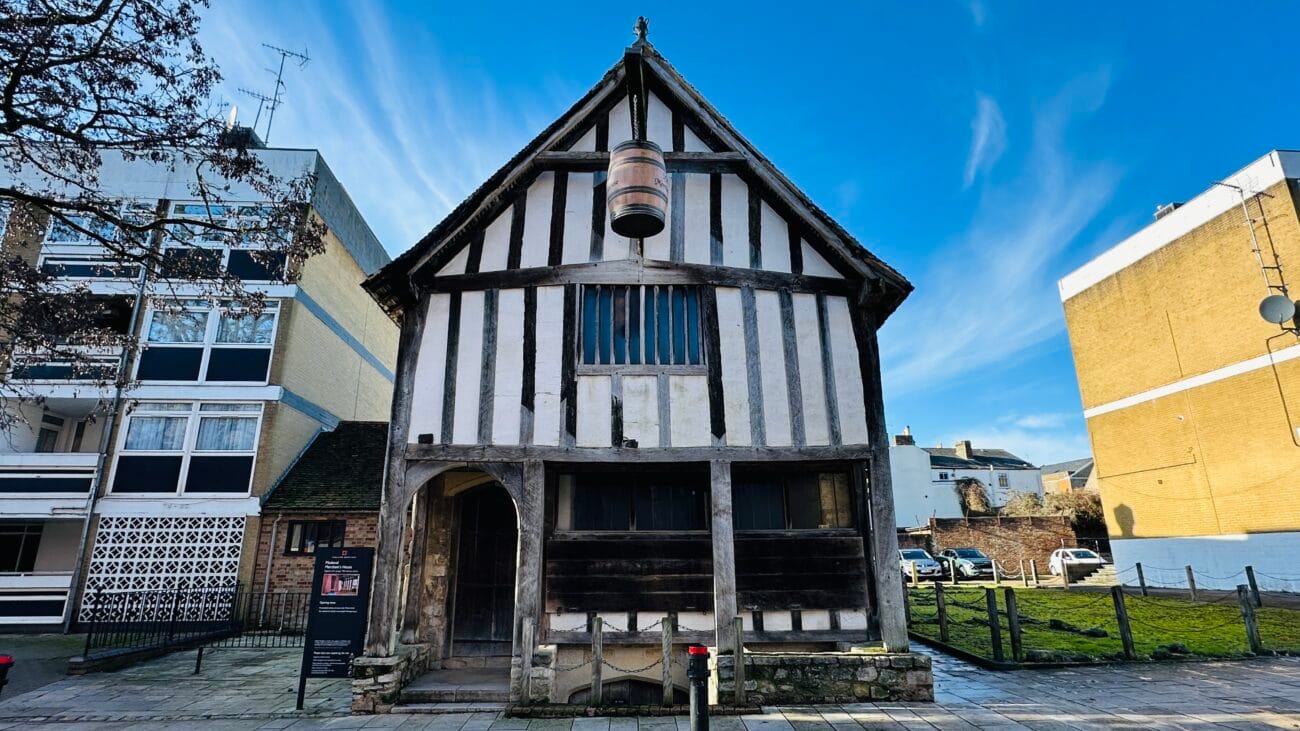
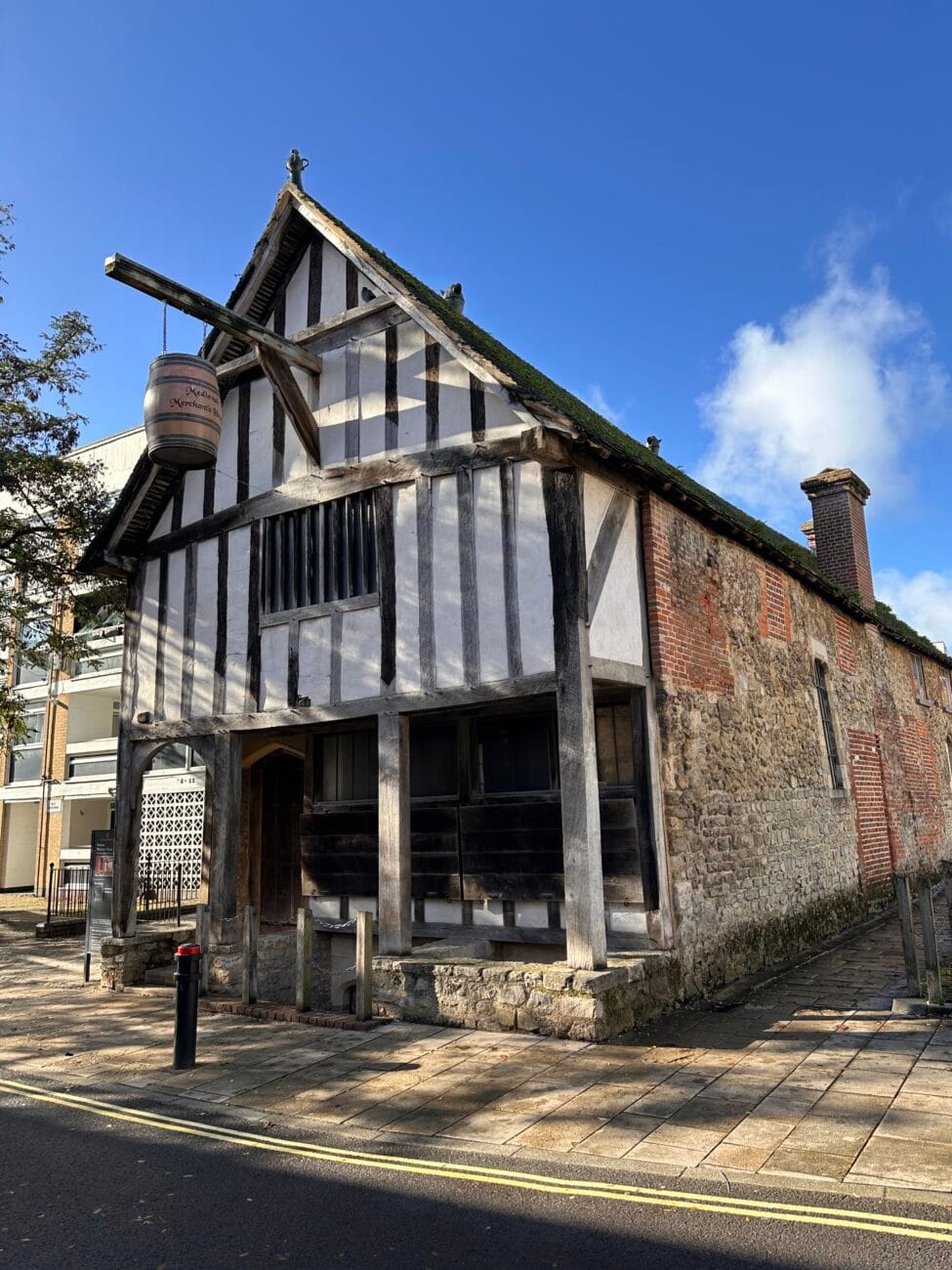
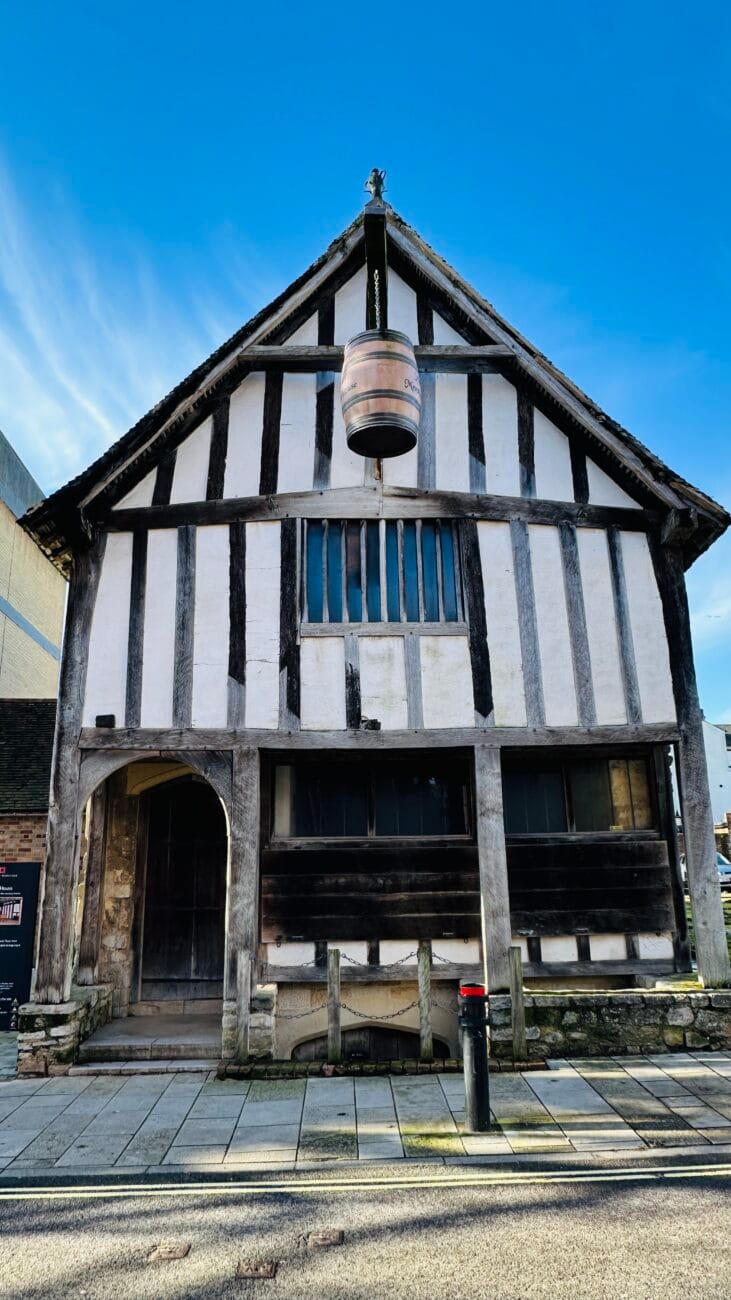
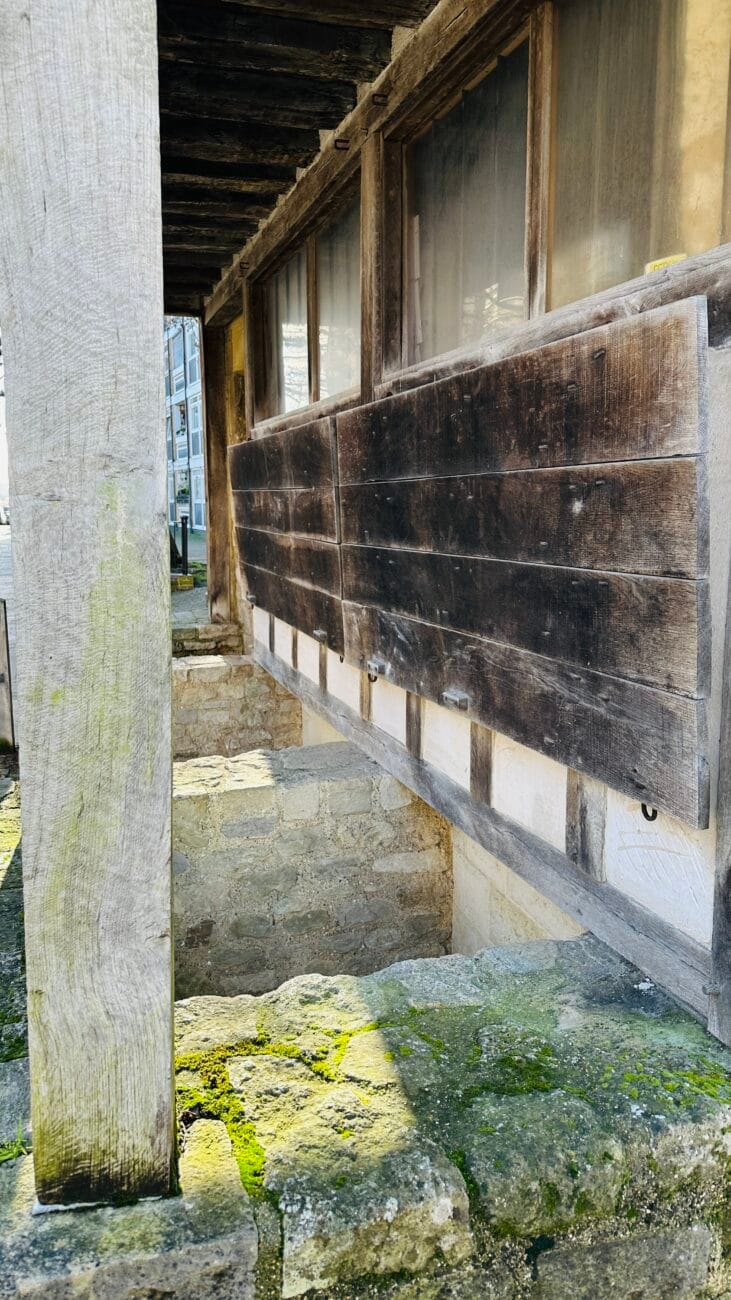
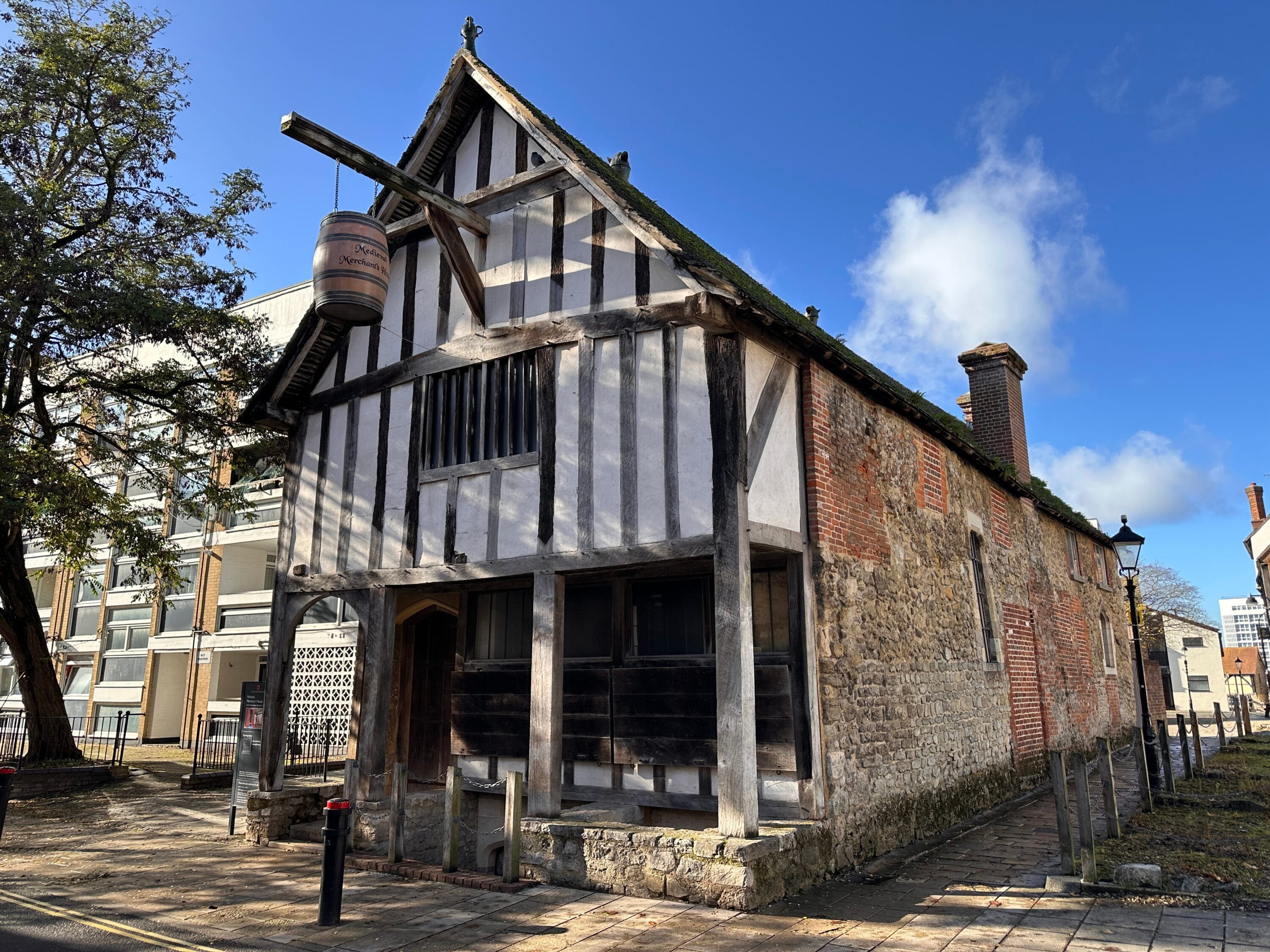
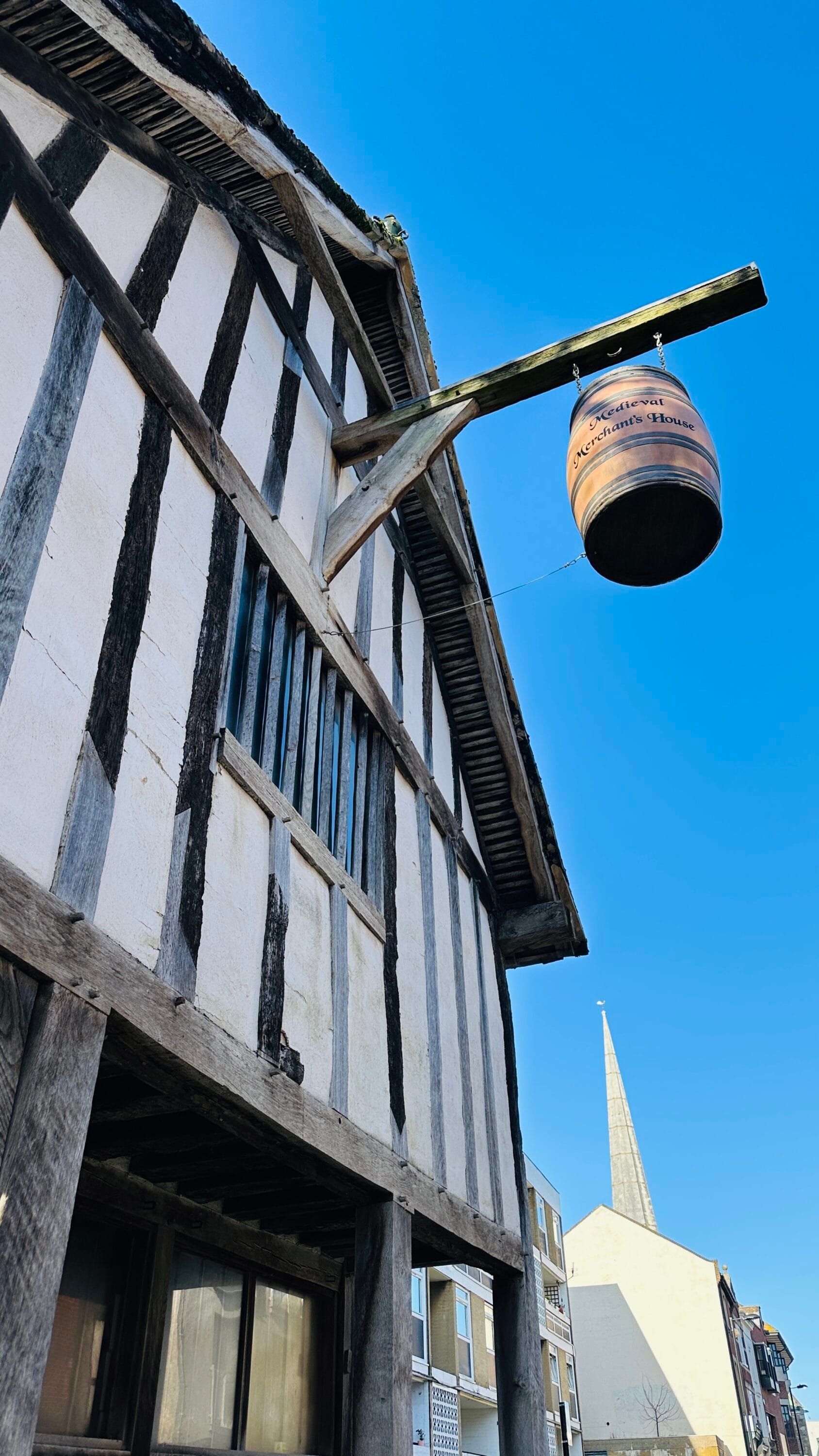
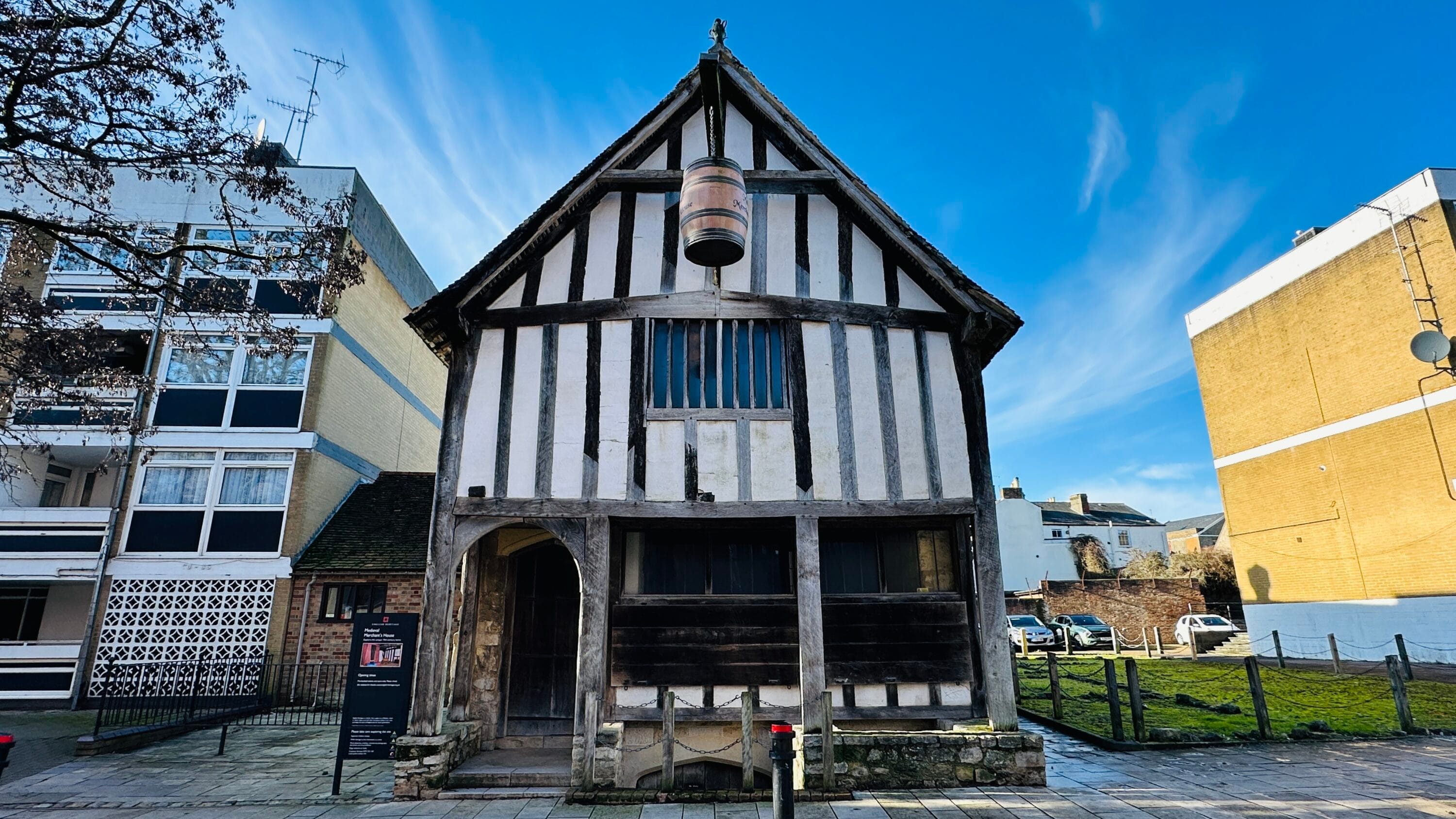
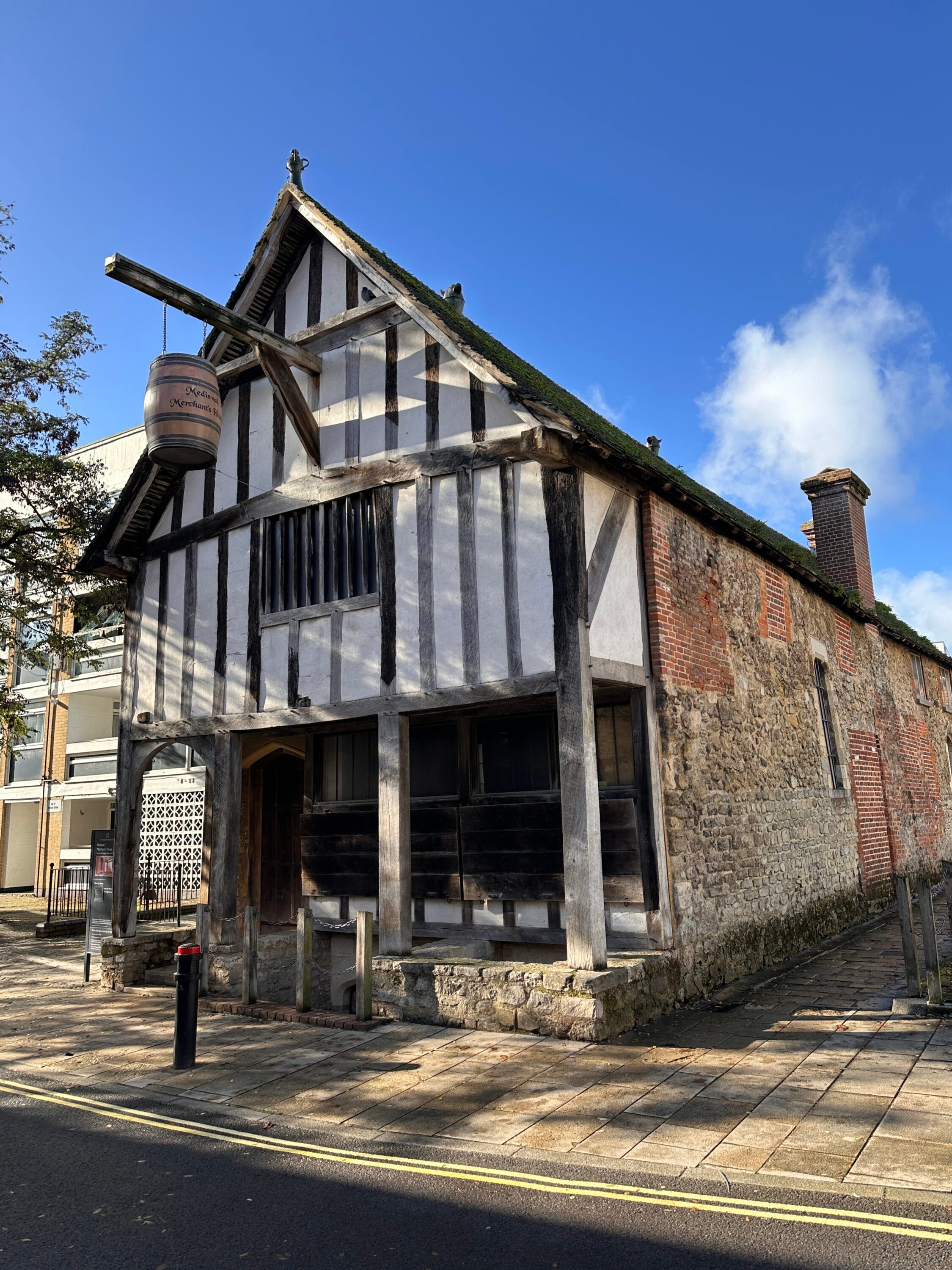
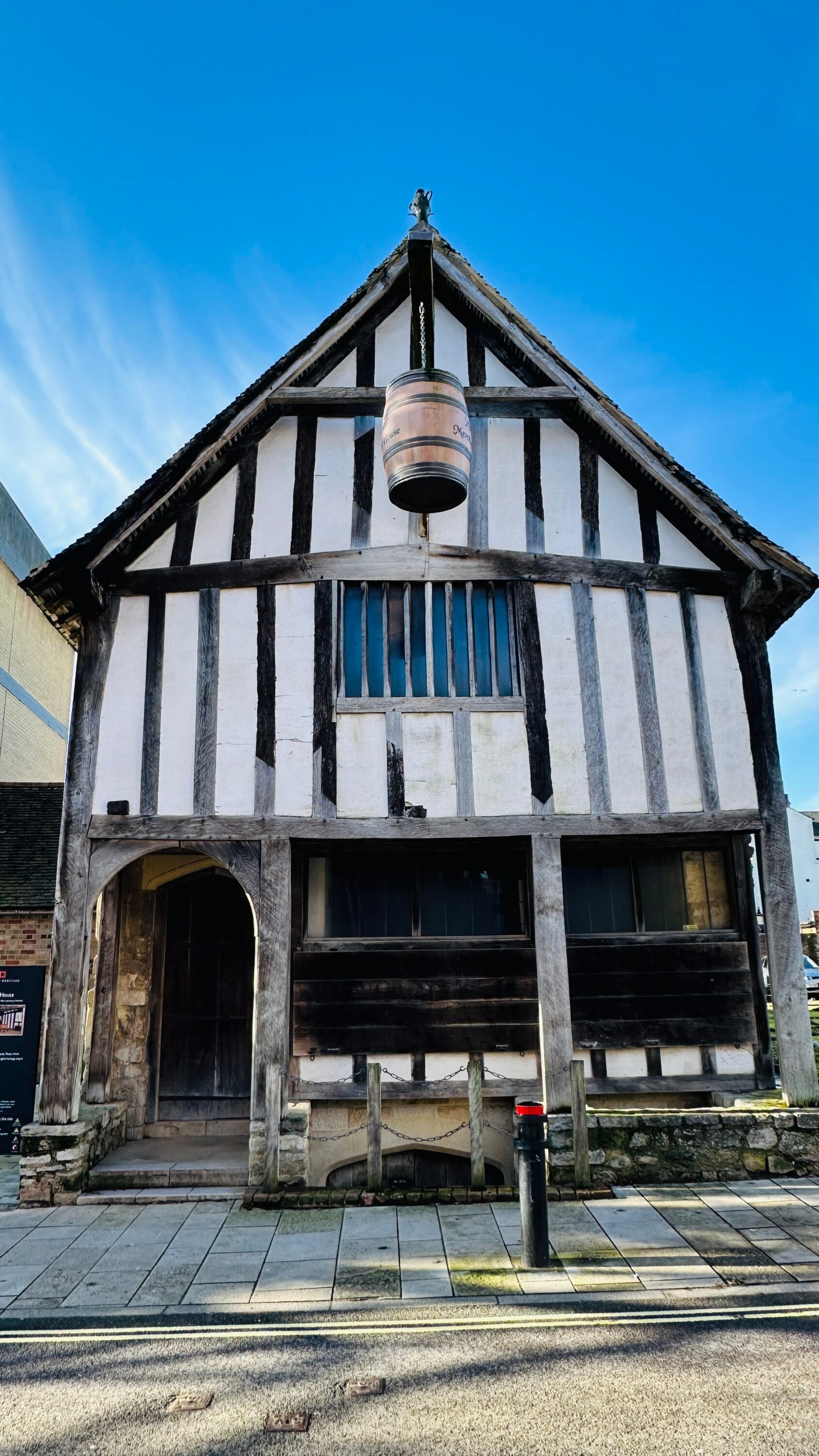
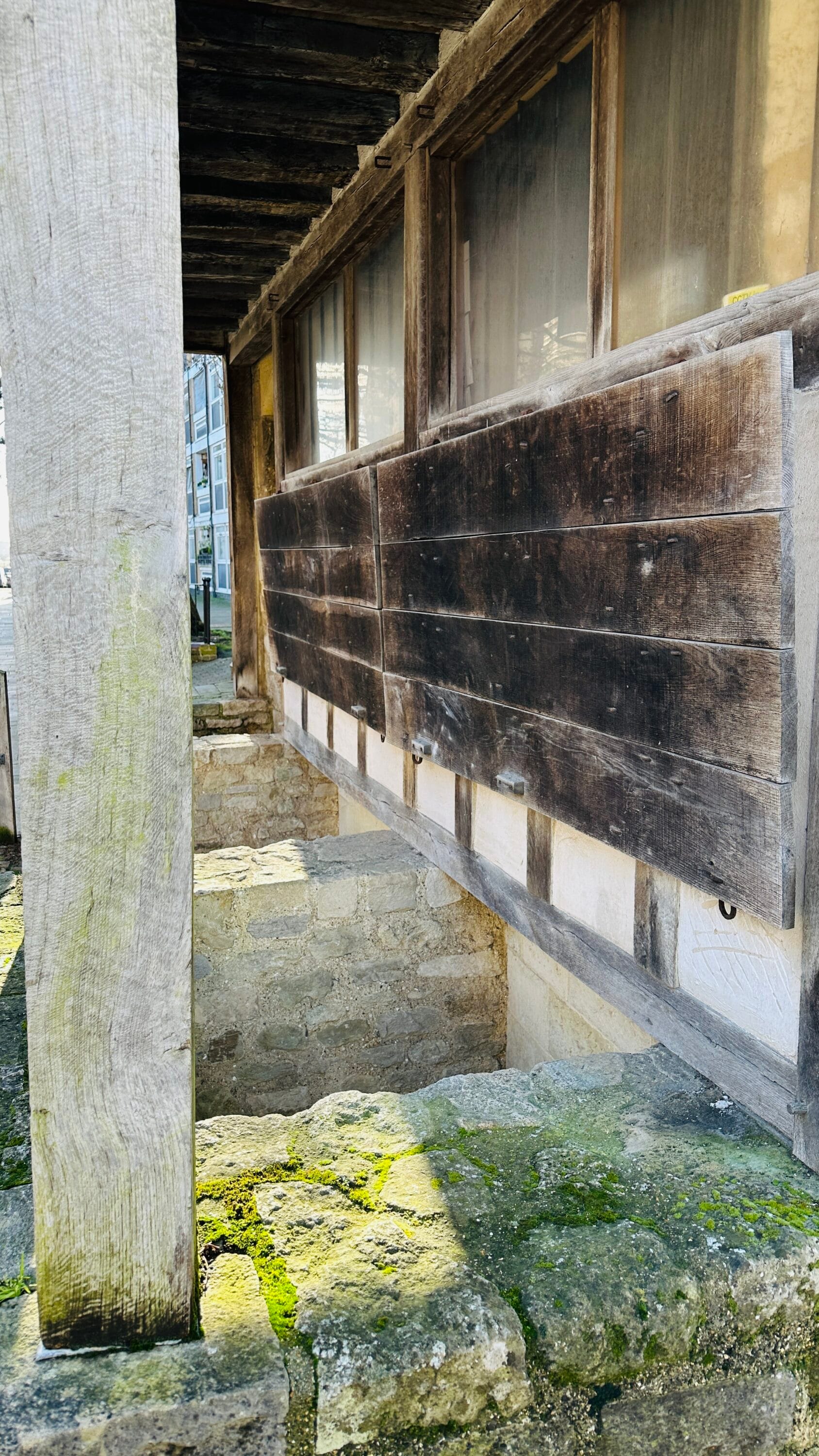
The house is a classic example of a “right-angle” hall house, designed to maximise the narrow street frontage common in medieval walled towns. Its survival is particularly noteworthy given the heavy bombing Southampton endured during the 20th century. While much of the surrounding area was destroyed, this structure remained, allowing historians and visitors to study its original layout. In our photos, you can see the intricate timber work and the traditional wattle-and-daub infill that characterise the exterior. The building was meticulously restored by English Heritage in the 1980s to its mid-14th-century appearance, removing later additions to reveal the medieval skeleton beneath.
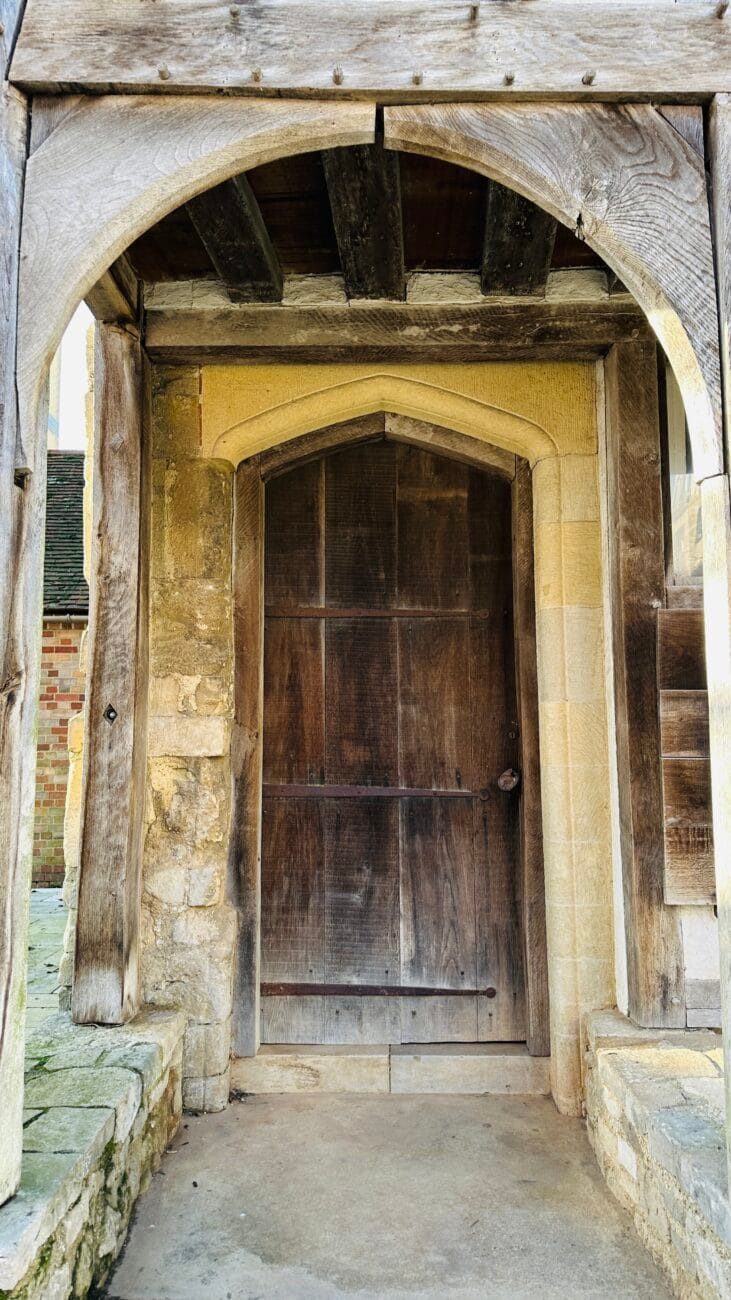
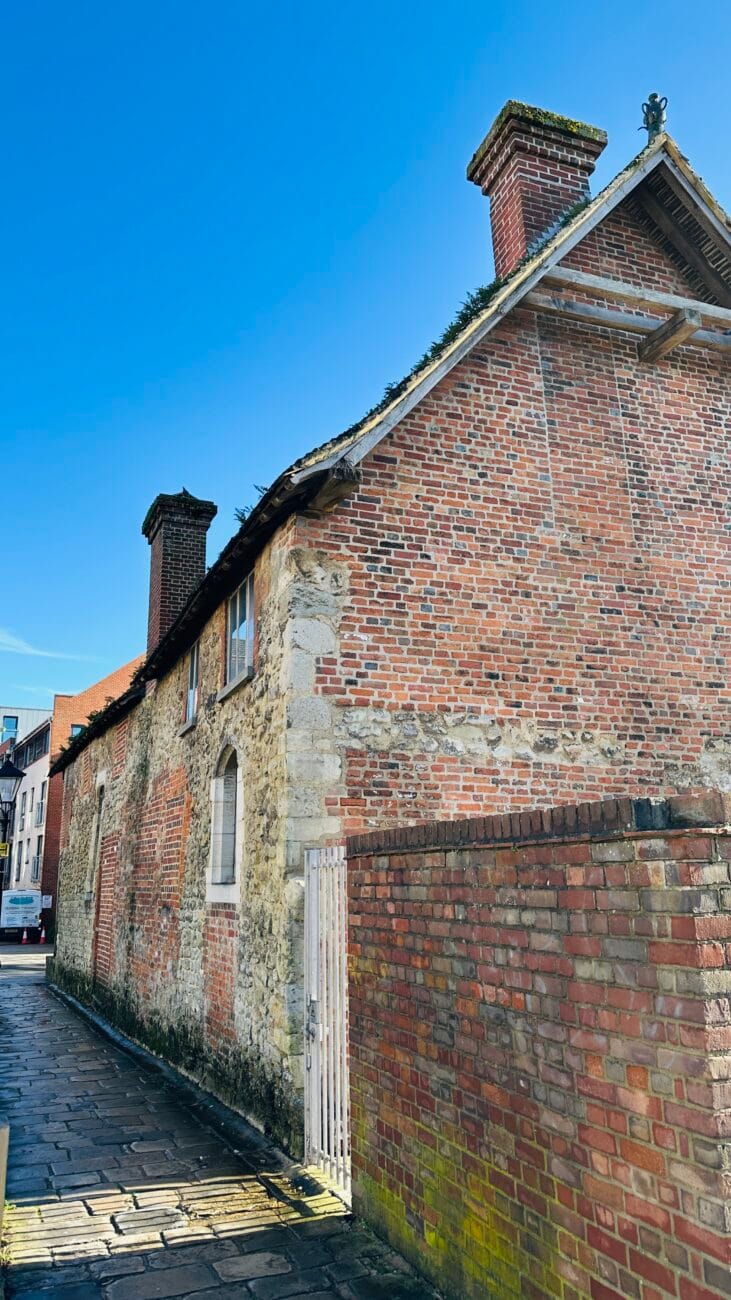
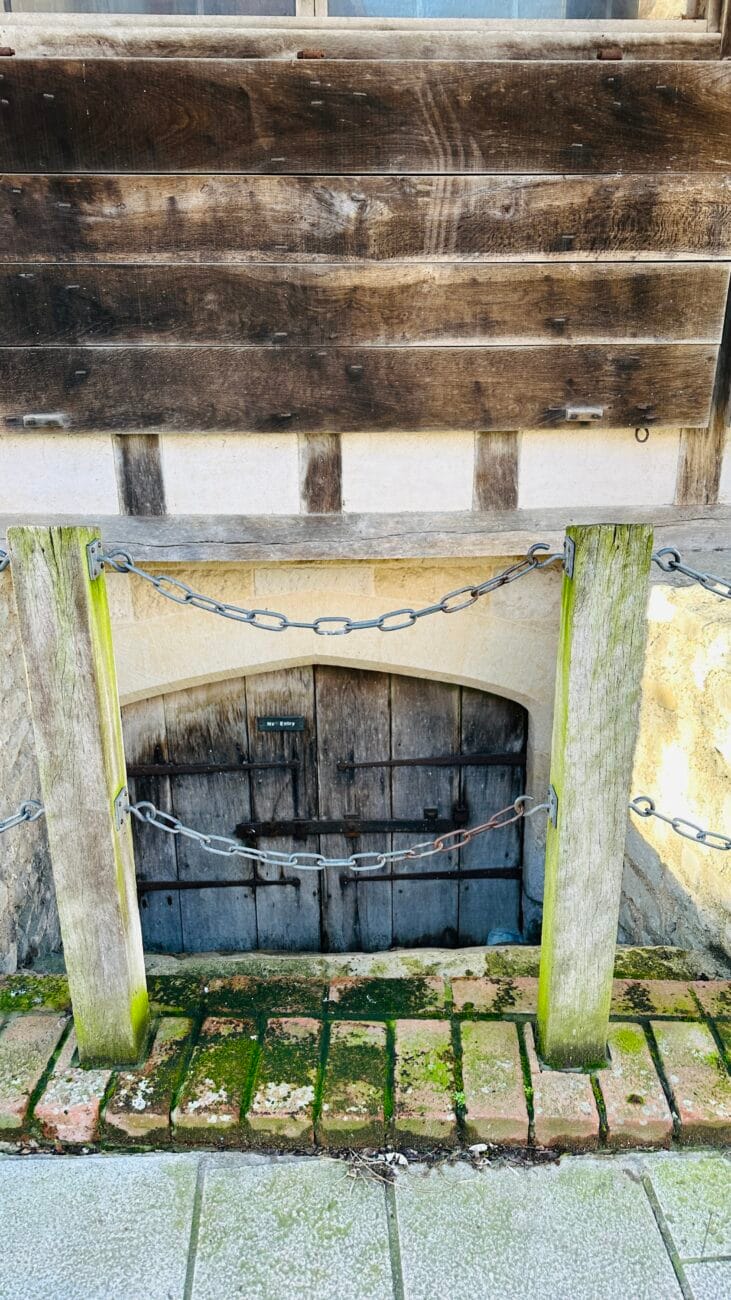
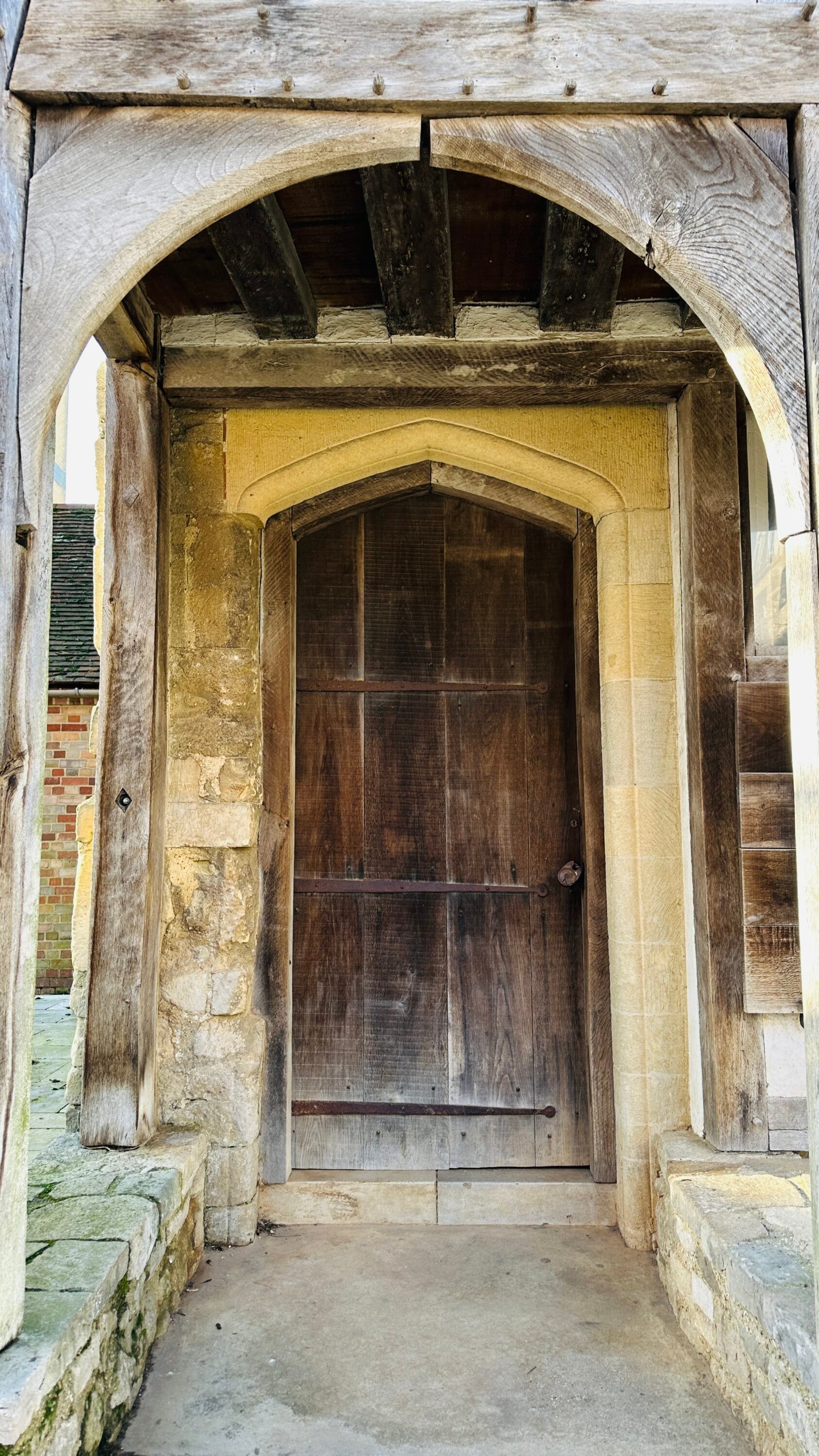
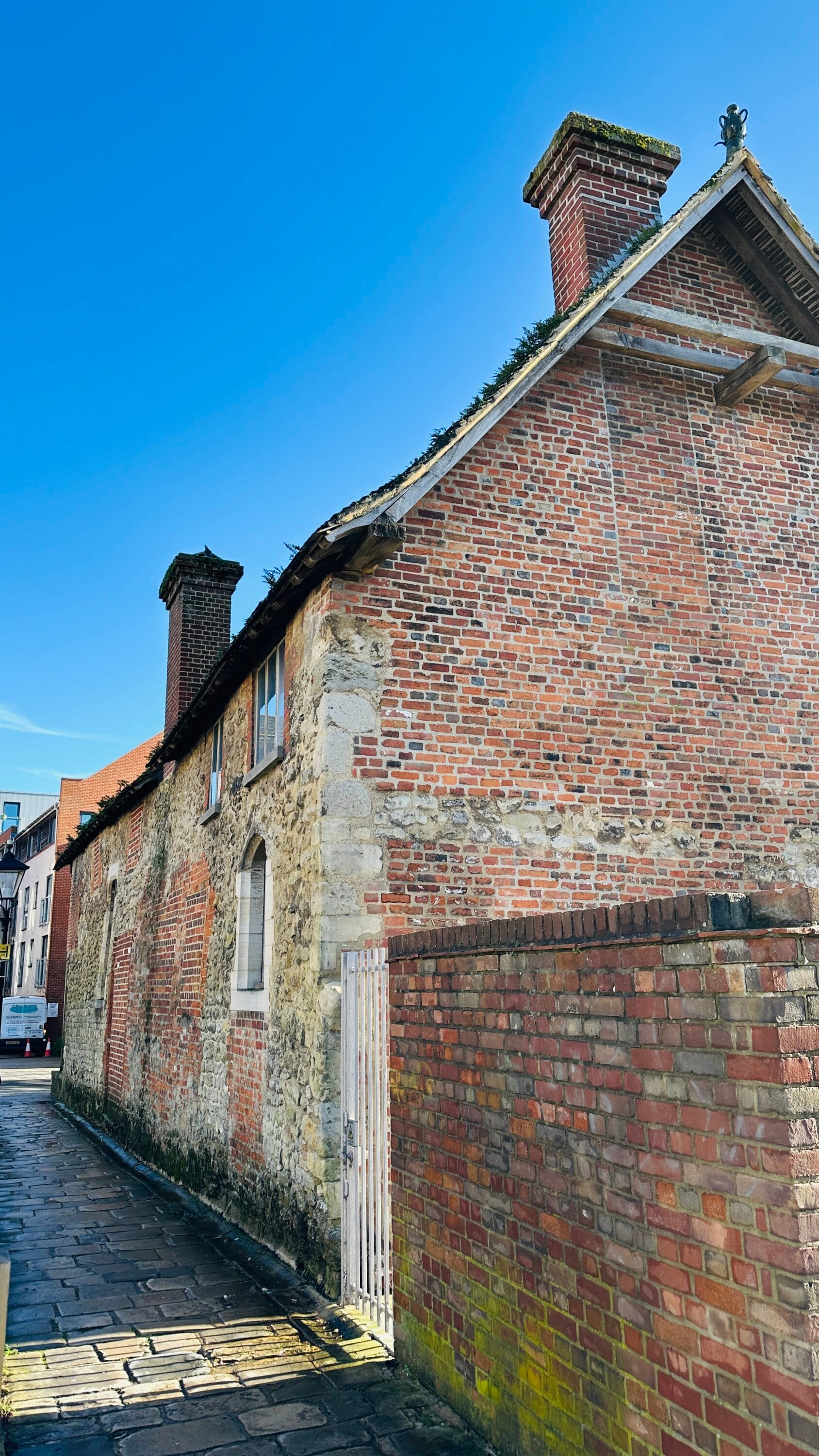
When photographing the exterior from French Street, the contrast between the ancient stone and timber of the house and the modern residential developments nearby is striking. This juxtaposition is a recurring theme in our visual documentation of Southampton, highlighting how the city protects its medieval roots amidst urban growth. The heavy oak doors and the small, leaded windows provide a sense of the security and status that a merchant of John Fortin’s standing would have required in the 1300s.
Inside the Merchant’s World: Halls and Chambers
The interior of the Medieval Merchant’s House is where the true atmosphere of the 14th century comes to life. The building is divided into functional spaces that reflect the dual nature of a merchant’s life—both a place of business and a private residence. Key visual elements featured in our gallery include:
- The Great Hall: The heart of the home, this open-plan space features a high ceiling and a central hearth. The play of natural light through the high windows creates dramatic shadows against the lime-washed walls, making it a favourite spot for interior photography.
- The Shop and Fore-Hall: Located at the front of the house, this is where goods would have been displayed and traded. Our photos highlight the replica furniture and the “merchant marks” that would have identified the owner’s property and status.
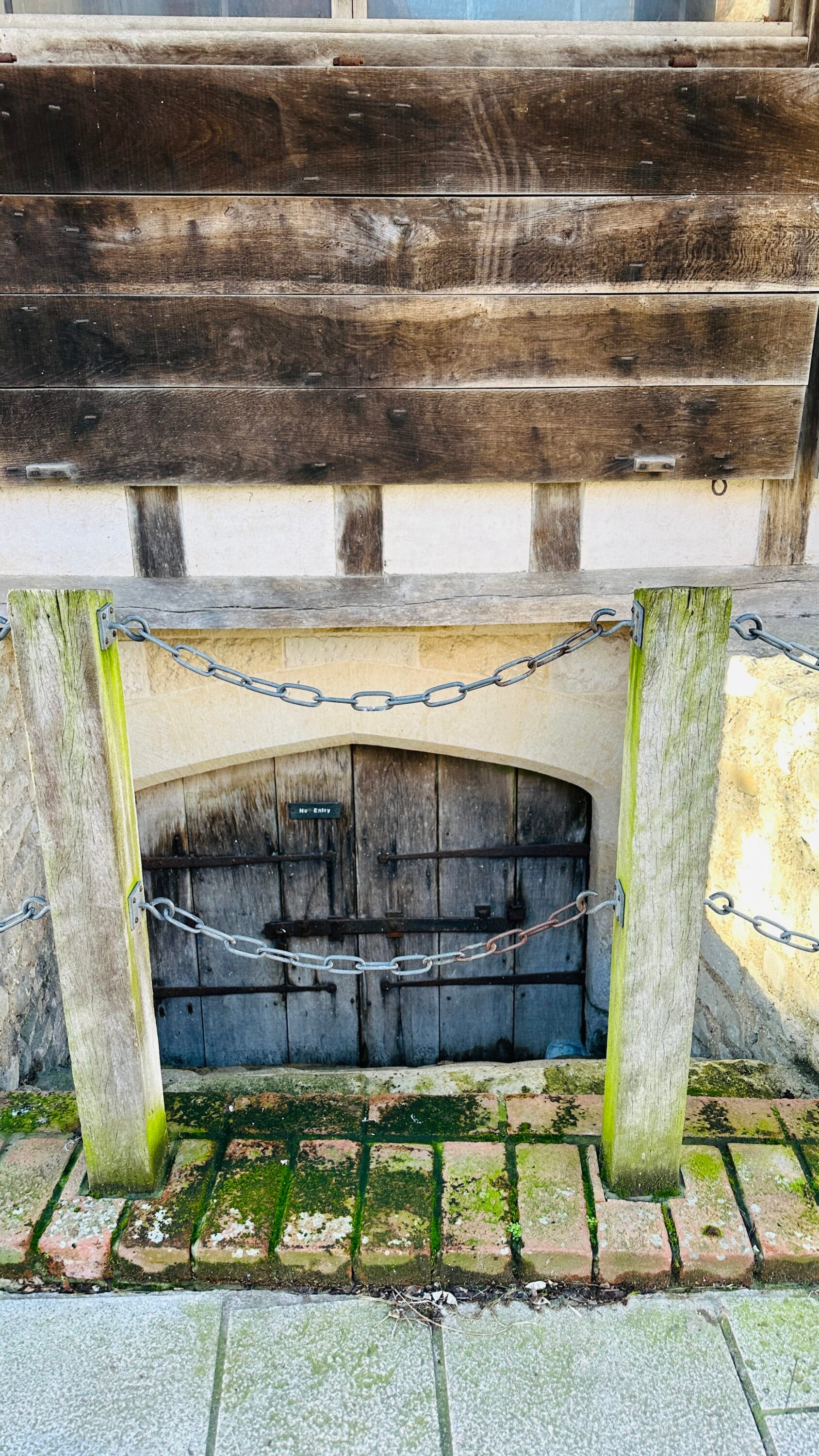
- The Undercroft: Beneath the main floor lies a cool, stone-vaulted cellar. Used for storing expensive imports like French wine, the textures of the original stonework here are perfect for close-up, atmospheric shots.
- The Bedchambers: The upper floors provide a look at the private living quarters. The heavy wooden beams and the simple, functional decor offer a stark contrast to the opulence found in later Tudor or Georgian homes.
Photography Tips for Historic Interiors
Capturing the essence of a medieval building requires an appreciation for natural light and historical textures. The Medieval Merchant’s House offers several unique opportunities for photographers. Based on our experience shooting this gallery, we recommend the following:
- Utilise Natural Light: The house was designed to be lit by candles and small windows. Avoid using a harsh flash; instead, use a tripod and a longer exposure to capture the soft, natural light that filters into the Great Hall, which preserves the authentic “mood” of the rooms.
- Focus on Textures: The house is a masterclass in materials. Look for the grain in the ancient oak beams, the uneven surfaces of the lime-wash walls, and the cold, solid feel of the stone undercroft. These details help to tell the story of the building’s age.
- Leading Lines: Use the massive vertical and horizontal timber beams to create strong leading lines in your compositions. This helps to emphasize the structural integrity and the “grid” layout of medieval carpentry.
- Macro Details: Pay attention to the replica items and the merchant marks carved into the wood. These small details provide a human connection to the people who lived and worked here hundreds of years ago.
A Vital Piece of Southampton’s Heritage
The Medieval Merchant’s House is more than just a museum; it is a physical link to the origins of Southampton as a major international trading port. By documenting this site, we aim to preserve its visual legacy and encourage more people to explore the hidden gems of the Old Town. The house serves as a quiet reminder of the city’s endurance and the craftsmanship of the medieval period. It remains a cornerstone of the historic walking tours that wind through the ancient streets of the city centre.
We update our Medieval Merchant’s House photos regularly to reflect the site in different lights and seasons. Whether you are a history enthusiast or a photographer looking for a unique subject, this house provides a stunning and rare opportunity to step back in time. We invite you to explore our full suite of Southampton City Guides to discover more about the medieval walls, the vaults, and the other historic landmarks that define the character of our city.
“`