If you are moving, investing or starting university in the city, you have probably searched online for the most dangerous areas in Southampton. Statistics show that crime is not spread evenly across the city: a handful of wards record much higher levels of offending, mostly because they combine nightlife, dense housing and deprivation. At the same time, each of these neighbourhoods contains quiet streets and ordinary daily life.
Below is a quick overview before we look at each major hotspot individually.
This guide draws mainly on recent ward-level crime data, city strategic assessments and public crime-comparison tools. Figures can change from year to year, but the broad pattern of where crime concentrates in Southampton has been fairly consistent over the last few reporting periods.
Quick overview
- Southampton’s overall crime rate is higher than the England and Wales average, with violent and public order offences driving much of the difference.
- Crime is concentrated in a small number of wards. Bargate, Banister & Polygon, Freemantle, Bevois, Redbridge, Millbrook, Portswood, Thornhill and Townhill Park frequently appear when people talk about the most dangerous areas in Southampton.
- In most of these areas, the main problems are alcohol-related violence, antisocial behaviour, shoplifting and vehicle crime, rather than random attacks on passers-by.
- Even in the most dangerous areas in Southampton you will find safe streets, good neighbours and new developments. Risk tends to cluster around certain blocks, parks, parades of shops and late-night venues.
Crime Rate Checker
Want to check your own street? Enter a Southampton postcode below to see reported incidents in the surrounding area.
Bargate (City Centre)
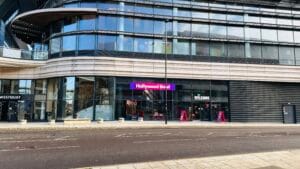
Bargate sits at the heart of Southampton’s retail and nightlife core. It covers the main shopping streets, large sections of the high street, parts of the waterfront and some of the city’s busiest pubs and clubs. Local authority data consistently shows that Bargate has the highest crime rate per resident in the city, by some distance, which is why it is always first on lists of the most dangerous areas in Southampton.
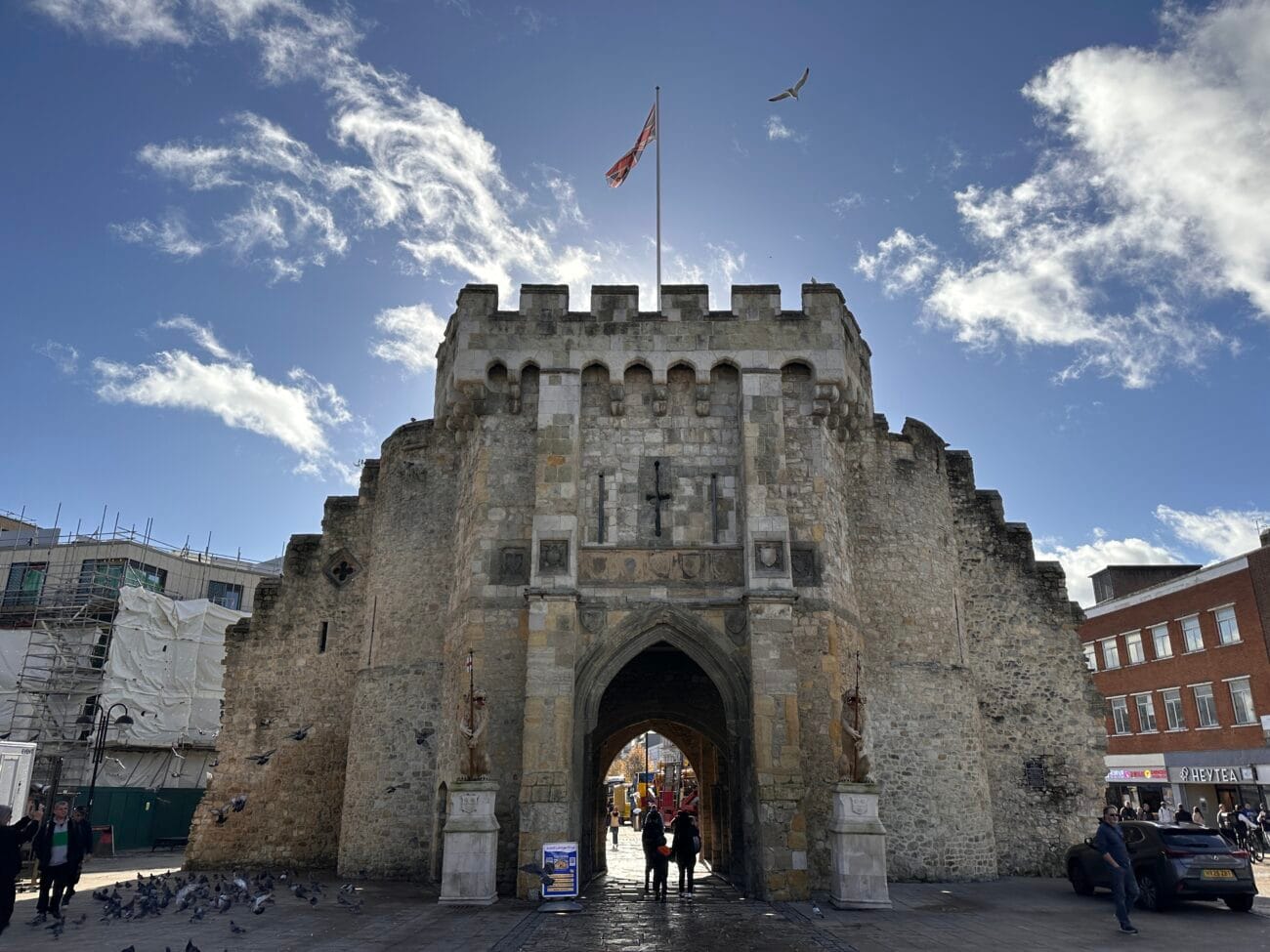 The key reason Bargate dominates the statistics is simple: almost everyone who lives, studies or works in Southampton passes through the ward at some point. Thousands of visitors come in for shopping, football, gigs and nights out, but they are not counted in the resident population that the crude “crimes per thousand residents” figure uses. That makes the raw rate look extreme compared with quieter suburbs. data.southampton.gov.uk
What tends to go wrong here? Peak risk comes on Friday and Saturday nights, and on days when big events or matches are on. Typical issues include:
- Alcohol-affected violence between groups who already know each other.
- Public order offences linked to disputes in queues, taxi ranks and fast-food outlets.
- Theft from the person and pickpocketing around busy bars and cash machines.
- Shoplifting in the retail core and the big stores.
If you spend time in Bargate, the usual city-centre precautions apply. Keep bags zipped and phones out of easy reach, be wary of crowds around closing time, and plan how you are getting home before you start drinking. The most dangerous areas in Southampton are not usually about strangers “lying in wait”; they are about crowded spaces where drink, drugs and tempers mix.
For people considering a flat in the city centre, it is worth asking how close the building is to the noisiest streets, what security is in place for communal entrances, and how residents feel about late-night noise. A well-managed block can offer a very different experience from a poorly maintained conversion, even though both sit in the same ward that tops the table of the most dangerous areas in Southampton.
Banister & Polygon
Just north of the centre, Banister & Polygon is a dense inner-city ward with a large student population, plenty of HMOs and a busy night-time economy of bars, pubs and late-night food outlets. Council assessments repeatedly highlight it as a ward with a significantly higher total crime rate than the city average, which is why it often appears near the top of any ranking of the most dangerous areas in Southampton.
Crime here is closely tied to lifestyle and footfall. In the evenings you will see students, hospitality workers, private renters and visitors all using the same streets. That mix produces:
- Noise, rowdy behaviour and occasional fights late at night.
- Public order offences outside venues and at taxi ranks.
- Criminal damage and graffiti on some of the main walking routes.
- Theft of bikes, e-scooters and unsecured property from shared houses.
Despite this, Banister & Polygon also offers big Victorian houses, tree-lined streets and a short walk into town, which many residents value. If you are choosing to live here, focus on the micro-location. A terrace tucked away from the main bar strip will feel very different from a flat directly above or opposite a club that stays open until 3am, even though both addresses sit in one of the most dangerous areas in Southampton on paper.
Basic precautions go a long way: make sure windows and doors are secure in multi-occupancy houses, use decent locks on bikes, and agree house rules for locking up when the last person leaves. Small, consistent habits will reduce your exposure, even in one of the most dangerous areas in Southampton for alcohol-related offences.
Freemantle
Freemantle lies to the west of the city centre and blends older terraced streets with newer developments. It includes busy commuter routes towards the docks, local shopping parades and pockets of dense housing. Recent ward-level figures put Freemantle’s crime rate firmly above the Southampton average, which means it is often grouped with the most dangerous areas in Southampton.
The crime profile here is mixed. You can expect:
- Regular reports of antisocial behaviour in and around certain blocks and open spaces.
- Vehicle crime on streets with heavy parking pressure.
- Burglary and attempted burglary targeting houses with weak physical security.
- Some alcohol-related disorder near popular pubs and takeaways.
At the same time, Freemantle includes many quiet residential side streets where neighbours know each other and look out for what is happening. In these pockets, residents may feel surprised to see their ward labelled as one of the most dangerous areas in Southampton because their lived experience is relatively calm.
If you are viewing homes here, visit at different times of day, including late evening. Note lighting levels, how busy the streets feel, and whether there are obvious signs of neglect or vandalism. These factors often tell you more about day-to-day safety than a single label such as “one of the most dangerous areas in Southampton”.
Bevois
Bevois, just north-east of the centre, is another inner-city ward with a strong student presence. It borders key roads into town and contains a dense mix of student HMOs, family homes, independent shops, takeaways and late-night venues. Strategic assessments for the city repeatedly list Bevois among the wards with crime rates significantly above the Southampton average, so it is usually included when commentators talk about the most dangerous areas in Southampton.
Here, violent and public order offences are a particular focus, especially at weekends and around the busiest drinking spots. Residents also report issues such as:
- Street drinking and litter on and around the main roads.
- Noise from late-night venues and shared houses.
- Occasional serious assaults linked to nightlife or pre-existing disputes.
- Low-level drug dealing and related nuisance in some hotspots. data.southampton.gov.uk
For students, Bevois is attractive because it is close to campus and the city centre, with plenty of cheap food and social options. For families and longer-term residents, the constant churn of people can be tiring. If you are thinking about moving here, you should treat the “most dangerous areas in Southampton” label as a starting point for research rather than a deal-breaker. Speak to current residents, walk your likely route home at night, and be realistic about your tolerance for noise.
Portswood
Portswood sits immediately north of Bevois and is one of the city’s best-known student and young professional districts. It combines a busy high street, large supermarkets, independent bars and cafés, and long terraces of rented houses. In ward-level crime tables, Portswood usually falls into the medium band but is almost always mentioned alongside Bevois when people list the most dangerous areas in Southampton.
Crime here is driven by opportunity and volume rather than organised gangs. Typical problems include:
- Theft of unattended phones, bags and laptops in crowded bars and cafés.
- Vehicle crime in streets with heavy on-street parking and poor natural surveillance.
- Burglary targeting houses where doors or windows are left unlocked.
- Occasional robberies or confrontational thefts late at night.
For many people, the benefits of Portswood outweigh the downsides. You can walk into town, access both universities, and rely on frequent buses. If you live here, the main task is to behave as if you are in one of the most dangerous areas in Southampton even when the street feels safe. Lock doors even when you are home, avoid leaving valuables in sight, and be cautious about walking alone after midnight, especially if you have been drinking.
Redbridge
Redbridge, on the western edge of Southampton, sits near the docks, industrial estates and major road junctions. It has long been perceived as one of the city’s rougher districts, and crime-rate tools highlight parts of Redbridge as having rates well above the national average. For that reason it regularly appears on lists of the most dangerous areas in Southampton.
The ward includes older housing estates, pockets of newer development and areas of deprivation. Crime issues often mentioned by locals include:
- Antisocial behaviour in and around some blocks and play areas.
- Drug-related activity and related nuisance.
- Vehicle crime affecting cars and work vans, particularly overnight.
- Occasional serious violence linked to known local tensions. Propertistics
It is important to stress that Redbridge is not homogenous. Streets of well-kept family homes sit close to blocks that struggle with vandalism and fly-tipping. When you see it described as one of the most dangerous areas in Southampton, remember that the label reflects averages across a large, varied ward.
If you are considering Redbridge for cheaper rents or convenient road links, focus on practicalities. Look for good physical security, talk to neighbours about what actually happens on the street, and consider whether you have secure off-street parking if your vehicle holds tools or equipment.
Millbrook
Neighbouring Millbrook is another large western estate that often features alongside Redbridge when people talk about the most dangerous areas in Southampton. It includes high-rise blocks, low-rise maisonettes and more traditional family housing, along with major routes into and out of the city. Crystal Roof
Crime patterns here are typical of many post-war estates. Residents report:
- Persistent antisocial behaviour from small groups of young people in certain spots.
- Criminal damage, including broken windows, graffiti and damage to shared areas.
- Vehicle-related offences, including theft from and of vehicles.
- Some serious incidents of violence, usually between people who already know each other. Crime Trends
On paper, Millbrook’s crime rate is higher than many other wards but below the very highest city-centre figures. In everyday life, that means experiences vary street by street. Some cul-de-sacs feel stable and community-oriented; others see regular police activity. Before deciding that Millbrook’s place among the most dangerous areas in Southampton rules it out, it is worth walking around, observing how residents use local spaces and asking yourself whether you would feel comfortable returning home late at night.
If you are a landlord or investor, Millbrook’s relatively low purchase prices can be attractive. However, you should factor in the possibility of higher management time dealing with antisocial behaviour and property damage compared with leafier suburbs that never appear in rankings of the most dangerous areas in Southampton.
Thornhill
On the eastern edge of the city, Thornhill is a large estate that has been the focus of several regeneration schemes. Despite this investment, it still records higher-than-average levels of total crime and is regularly highlighted in city assessments, so it is usually included when people list the most dangerous areas in Southampton. Crystal Roof
Thornhill contains tower blocks, low-rise flats and streets of houses, plus green spaces and local shopping areas. Commonly cited issues include:
- Antisocial behaviour around some of the tower blocks and open spaces.
- Criminal damage to communal entrances, lifts and shared facilities.
- Low-level drug dealing and associated nuisance.
- Occasional high-profile incidents that reinforce the area’s reputation.
Yet, as with other most dangerous areas in Southampton, the headline reputation can overshadow quieter realities. Many residents are deeply rooted here, schools and community groups work hard to improve local life, and there are streets where neighbours know each other well.
If you are assessing Thornhill as a potential place to live, look closely at the specific block or street, not just the ward name. Ask about building management, look for functioning entry systems and CCTV in larger blocks, and visit at different times of day to get a realistic feel.

Townhill Park
Just to the north-east of Thornhill, Townhill Park is smaller but often mentioned in the same breath when residents discuss difficult estates. It does not always top the statistical tables, but it is still part of the conversation about the most dangerous areas in Southampton because of long-running concerns about antisocial behaviour and pockets of deprivation.
Townhill Park is in transition, with older housing being demolished and replaced by newer mixed-tenure developments. That process can temporarily disrupt communities and shift where problems are concentrated. Residents point to:
- Youth-related nuisance around certain play areas and walkways.
- Occasional vandalism and fly-tipping in less well-overlooked corners.
- Sporadic spikes in burglary or vehicle crime, often focused on particular clusters of streets.
For prospective residents, the key is to recognise that regeneration can improve safety over time but may also mean building work, changing neighbours and a shifting local character in the short term. Do not treat its inclusion among the most dangerous areas in Southampton as a fixed verdict; conditions on the ground can change significantly over a few years.
Living with the “most dangerous areas in Southampton” label
Seeing your neighbourhood described online as one of the most dangerous areas in Southampton can feel unfair or even stigmatising. However, the label is based on statistics that do not tell the whole story. They reflect recorded incidents per thousand residents, not how most people experience daily life.

Across Bargate, Banister & Polygon, Freemantle, Bevois, Portswood, Redbridge, Millbrook, Thornhill and Townhill Park you will find both challenges and strong communities. If you are thinking about moving into any of these most dangerous areas in Southampton, combine the data with your own observations: visit in person, speak to people who already live there, and be honest about the kind of environment where you will feel comfortable.
It also makes sense to apply a few simple personal-safety habits wherever you end up: plan routes so you use well-lit main roads at night, keep valuables out of sight, secure bikes and vehicles properly, and get to know immediate neighbours so you can look out for each other. These actions are useful everywhere, but they matter especially if you live in or near the most dangerous areas in Southampton.
Above all, treat the phrase “most dangerous areas in Southampton” as a prompt to ask better questions, not as a reason to panic. With realistic expectations, sensible precautions and a bit of homework, many people live, work and study happily in these neighbourhoods every day.
If you are also weighing up where to move, check out my guide to the best places to live in Southampton for safer, more suitable neighbourhood options.