As the busiest cruise terminal in the United Kingdom, our local docks welcome over two million passengers and hundreds of luxury liners every single year. While this booming maritime activity injects more than £2.7 million per cruise call directly into our local economy, the environmental footprint of these massive vessels remains a frequent topic of debate. Analyzing the data surrounding Southampton cruise ship emissions requires balancing the undeniable economic benefits of our port with the legitimate air quality concerns raised by coastal residents and scientific groups. Looking at the factual metrics from official air monitors reveals exactly where the city stands and what steps are actively being taken to safeguard our shared environment.
Analyzing the Components of Port Air Emissions
To evaluate the true footprint of maritime activity, local environmental assessments isolate the specific elements making up Southampton cruise ship emissions. When a vessel is “hoteling” at a terminal berth, its primary auxiliary engines remain active to maintain essential on-board hospitality systems. This process releases measurable streams of nitrogen oxides (NOx) and microscopic particulate matter into the immediate waterfront atmosphere. Identifying the precise structural sources of these gases helps environmental groups and maritime operators target technology investments effectively.
According to source apportionment studies conducted by Southampton City Council in their statutory environmental assessments, the primary components of cruise liner emissions are categorized into three distinct chemical classes:
- Nitrogen Dioxide (NO2): A pungent gas formed by high-temperature combustion in marine diesel engines. According to local tracking models, road transport and heavy freight vehicles entering the port gates contribute significantly higher net volumes of NO2 to city center monitoring points than the floating vessels themselves.
- Microscopic Particulates (PM2.5 & PM10): Tiny airborne soot particles and dust fragments capable of drifting into nearby residential neighborhoods. According to the council’s latest Air Quality Annual Status Report, the total citywide fraction of mortality attributed to particulate matter sits at 5.9%, which aligns closely with the wider English national average of 5.5%.
- Trace Heavy Metals: Microscopic elements tied specifically to the combustion of heavy fuel oil. According to an extensive port-side study published in Environment International by the University of Southampton, researchers identified higher localized concentrations of vanadium, nickel, and cobalt at the cruise terminal during peak summer sailing months compared to quieter winter periods.
The Status of Southampton Cruise Ship Air Pollution
To verify if emissions are breaching legal safety parameters, real-time tracking sensors operate continuously across the harbor boundaries. These official monitoring installations record specific gas concentrations to ensure the public remains fully informed about local atmospheric trends. This factual dataset ensures that discussions regarding Southampton cruise ship air pollution remain grounded in verified, scientific metrics rather than general speculation.
 According to the official Air Quality Annual Status Reports published by Southampton City Council, the table below tracks the multi-year annual mean concentration of Nitrogen Dioxide (NO2) recorded directly at the core industrial port monitoring zones.
| Reporting Year | Port Air Monitor Reading | UK Government Safety Objective | Legal Limit Status |
|---|---|---|---|
| 2026 | 29 µg/m³ | 40 µg/m³ | Compliant (Below Limit) |
| 2025 | 29 µg/m³ | 40 µg/m³ | Compliant (Below Limit) |
| 2024 | 31 µg/m³ | 40 µg/m³ | Compliant (Below Limit) |
| 2023 | 32 µg/m³ | 40 µg/m³ | Compliant (Below Limit) |
The Deployment of Clean Shore Power Systems
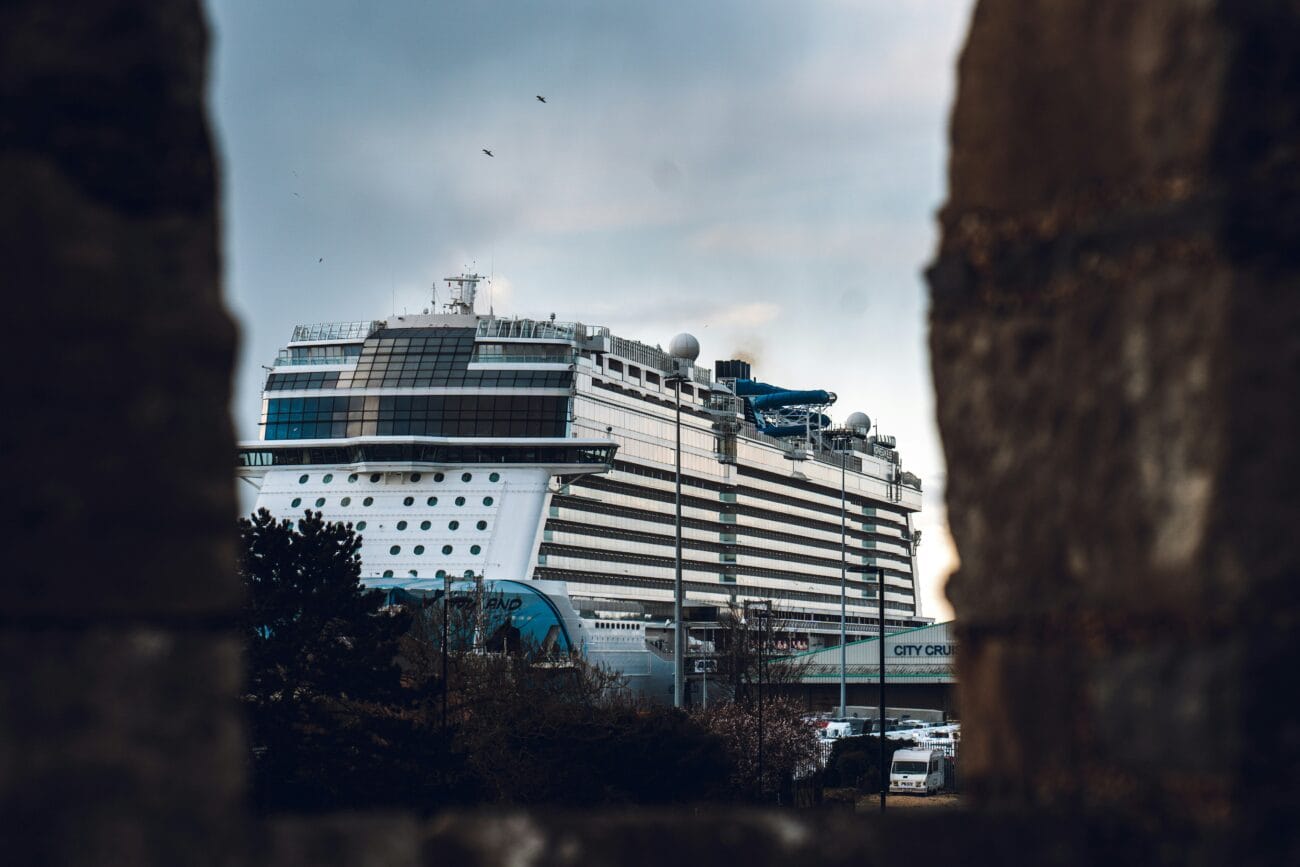
Rather than relying on voluntary industry changes, the infrastructure at the water’s edge has undergone substantial structural modernization to mitigate regional air impacts. The most impactful technological advancement has been the introduction of high-voltage shoreside power connections. According to project logs from Associated British Ports (ABP), Southampton became the first major UK cruise port to offer full commercial shore power connectivity when facilities went live at both the Horizon and Mayflower cruise terminals.
When a compatible cruise liner connects directly to this shoreside electrical grid, it can completely deactivate its auxiliary diesel propulsion units while tied up at the dock. According to technical data compiled by sustainable maritime groups, drawing clean grid power instead of burning marine gas oil results in an immediate 100% reduction in localized particulate matter and a 90% reduction in nitrogen emissions at the berth, ensuring the surrounding coastal communities enjoy cleaner, clearer air during peak vacation seasons.
Long-Term Mitigation Frameworks & Clean Air Initiatives
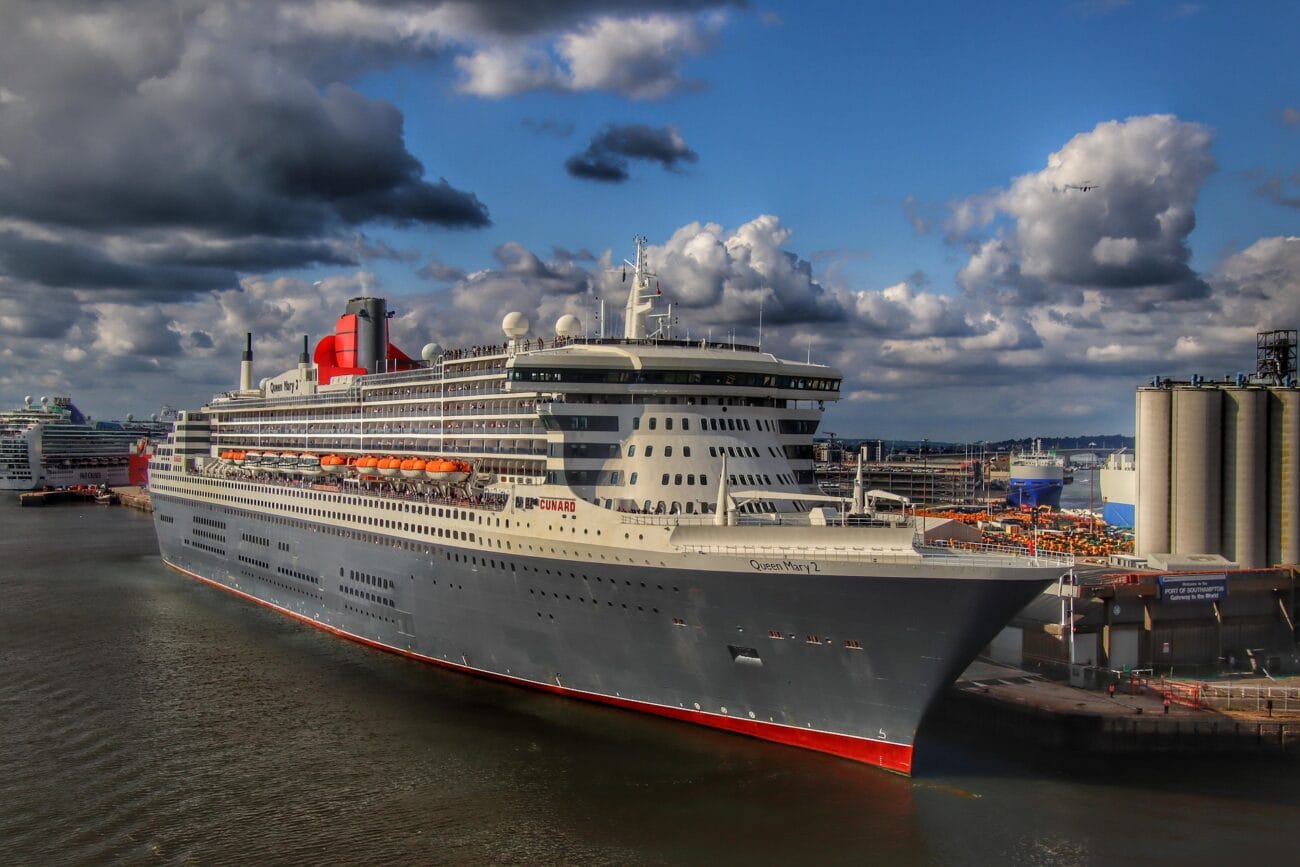
Addressing maritime environmental footprints requires sustained coordination between municipal regulators, marine researchers, and port operators. The strategy to reduce the impact of Southampton cruise ship emissions relies heavily on the implementation of Southampton City Council’s Air Quality Action Plan alongside commercial infrastructure modernization programs. By integrating data-driven local tracking networks with international maritime compliance protocols, the city aims to progressively decouple its significant industrial shipping growth from its localized environmental footprint.
 The primary regulatory and technological frameworks driving this local transition include:
- The expansion of the UK Emissions Trading Scheme (UK ETS): All commercial shipping vessels over 5,000 gross tonnes operating within British territorial waters must formally account for and purchase carbon allowances covering their in-port greenhouse gas releases. This creates a direct financial incentive for international cruise lines to minimize hoteling combustion while berthed along our waterfront.
- Phased Shore Power Integration: Following the successful £9 million joint investment by Associated British Ports (ABP) and the Solent Local Growth Deal, continuous infrastructure expansions seek to upgrade compatibility beyond the existing active installations at the Horizon and Mayflower terminals, allowing a wider percentage of visiting fleets to connect simultaneously.
- Targeted Ultrafine Particle Research: Academic researchers continue to gather long-term datasets to better map the spatial distribution of coastal fuel plumes. This specialized monitoring allows public health frameworks to better evaluate localized air changes in residential areas situated directly downwind from primary maritime berths.
Final Thoughts on Southampton Cruise Ship Emissions
Maintaining a balanced perspective on our industrial waterfront requires recognizing how multi-million-pound green technology projects are actively modifying long-term air quality measurements across the city. By carefully monitoring the reality of Southampton cruise ship emissions through a verified combination of local authority sensor networks and rigorous university clinical studies, stakeholders can track progress without losing sight of the massive economic benefits generated by our international maritime gateway. As shore power capabilities expand to meet upcoming decarbonization targets, the transition toward zero-emission hoteling berths will continue to provide cleaner, clearer coastal air for neighboring residential communities.
Looking for the Closest Place to Sunbathe and Swim?
If you want to skip the industrial port topics entirely and find the absolute closest spots to sink your toes into the sand or relax by the waves, check out our local guide highlighting the best Southampton beach options and hidden coastal spots right on our doorstep.
FAQs About Southampton Cruise Ship Emissions
What exactly is shore power and how does it reduce Southampton cruise ship air pollution?
Shore power, also known as Onshore Power Supply (OPS), allows cruise ships to plug directly into the high-voltage shoreside electrical grid while tied up at the berth. This enables the ship to completely shut down its auxiliary diesel marine engines, resulting in an immediate 100% reduction in localized particulate matter emissions at the terminal.
Are local air pollution levels in Southampton currently exceeding legal safety limits?
According to the latest Air Quality Annual Status Reports published by Southampton City Council, annual mean nitrogen dioxide (NO2) concentrations at port-side monitoring stations sit at 29 micrograms per cubic meter, which remains comfortably below the UK government’s maximum statutory safety limit of 40 micrograms per cubic meter.
What did the University of Southampton discover about cruise ship fuel emissions?
According to a specialized clinical study published in Environment International, university researchers identified a distinct ultrafine particulate signature near cruise berths during peak summer months containing trace elements of vanadium, nickel, and cobalt, which are specifically associated with marine fuel oil combustion.
Does the Southampton Clean Air Zone charge cruise ships or cargo vessels?
No. The localized clean air zone frameworks operated within the city boundaries focus entirely on heavy goods road vehicles, commercial buses, coaches, and taxis entering the port gates rather than regulating the floating maritime vessels themselves, which fall under separate international maritime environmental laws.